
SecureWorld conferences blend world-class keynotes, breakout sessions, small group discussions and opportunities to earn cybersecurity CPE.
 Open Sessions
 Conference Pass
 SecureWorld Plus
 VIP / Exclusive
- Wednesday, April 8, 20267:30 am[PLUS Course] Protecting AI Systems from Malicious Cyber Attacks - Part 1
 Registration Level:
- SecureWorld Plus
7:30 am - 9:00 amLocation / Room: 204Upon completion of this course, attendees will have an up-to-date understanding of how AI works, AI implementation options, AI threats and vulnerabilities, AI security controls standards, best practices for building an AI security program, and assessing risks assessing AI security risks. The course covers technical security controls applied to AI systems and underlying infrastructure before, during, and after a cyberattack. Finally, administrative security capabilities, including AI governance, risk management, compliance, and audit considerations will be discussed.
Today’s companies develop, deploy, access AI applications and workloads through many computing environments including public cloud, private cloud, multi-cloud, hybrid cloud, and on-premises. These AI implementations and operations involve the risk of one or more cyberattacks that target the AI systems directly (model tampering, agent manipulation, data poisoning, GPU runtime exploits, etc.) or target the underlying infrastructure (public cloud, private cloud, on-premises, etc.) where the AI systems reside. The various development and deployment solutions make securing high-risk AI systems a challenge. A comprehensive AI cybersecurity program should account the various of development / deployment / operations scenarios.
The objective of this class is to help organizations design, develop, build, and manage high-risk AI systems and the underlying cloud, multi-cloud, hybrid cloud, on-premises environments that support AI systems throughout design, development, deployment, and operations. The course deliverables are grouped into six modules which cover key topics related to building a highly effective AI Security Program.
Module 1: What is Artificial Intelligence (AI) and how does AI work?
Includes an overview of Artificial Intelligence (AI) including how AI works (applications and workloads), AI architecture, components, and processes (models, algorithms, workflows). Module 1 includes topics such as AI Models (Generative AI, Large Language Models (LLMs), foundation models), and Multi-Agent Systems (MAS). A review of AI Use Cases across multiple industry sectors is included.
Module 2: AI Cloud Adoption Frameworks (CAFs)
An AI Cloud Adoption Framework (CAF) provides a structured approach to adopting AI solutions effectively and responsibly. It is designed to guide organizations through the process of implementing AI workloads ensuring scalability, security, and operational excellence. Topics include developing, deploying, and securing AI solutions in Microsoft Azure Cloud, Amazon Web Services (AWS), Google Cloud Platform (GCP) and Oracle Cloud Infrastructure (OCI). Deployment models include IaaS (bring your AI), PaaS (build your AI), and SaaS (buy your AI).
Module 3: AI threats and Vulnerabilities
AI Threats include those related to AI models, the data such models are trained and tested on, the third-party components, plug-ins, and libraries utilized in their development, as well as the platform models are hosted on. Topics include an overview of the FS-ISAC Adversarial AI Framework, MITRE ATLAS (a framework that provides adversary profiles, techniques, and mitigations for securing AI-enabled systems), and OWASP Agentic AI Threats. Module 3 also includes a discussion of AI vulnerabilities including data related vulnerabilities and model related vulnerabilities. Topics include the OWASP Top 10 for LLM Applications (2025) and the OWASP Top 10 for Agentic Applications (2026).
Module 4: AI security controls
Includes an overview of NIST SP 800-218A Secure Software Development Framework (SSDF) for AI, the Google Secure AI Framework (SAIF), the OWASP AI Security and Privacy Guide, and the Cloud Security Alliance AI Controls Matrix (AICM). NIST SP 800-218A provides secure software development practices specifically for generative AI and dual-use foundation models. The Google Secure AI Framework (SAIF) provides guidance for securing AI systems, including the SAIF Risk Self-Assessment to help build and deploy AI systems securely. The OWASP AI Security and Privacy Guide provides clear and actionable insights on designing, creating, testing, and procuring secure and privacy-preserving AI systems. The AI Controls Matrix (AICM) is a comprehensive framework developed by the Cloud Security Alliance (CSA) to help organizations align their AI practices with international standards and regulations.
Module 5: Building an AI Security Program
This module focuses on building a comprehensive AI security program to protect AI systems (in development and in production) as well as a security program for the underlying multi-cloud / hybrid-cloud solution. NIST SP 800-18 Rev. 2 Developing Security, Privacy, and Cybersecurity Supply Chain Risk Management Plans for Systems outlines the essential components of a System Security Pan (SSP), which documents security requirements for a system and describes the controls in place or planned to meet those requirements. NIST SP 1800-35 Implementing a Zero Trust Architecture, which includes a discussion on enabling secure authorized access to enterprise resources distributed across on-premises and multiple cloud environments. Module 5 also includes is a summary of NIST practices for Assessing Risks and Impacts of AI (ARIA) which supports three evaluation levels: model testing, red-teaming, and field testing.
Module 6: AI governance, AI risk management, AI compliance, AI audit
This module Includes an overview of AI Governance, Compliance and AI Audit requirements. AI governance includes processes, standards and guardrails that help ensure AI systems and tools are safe and ethical. Includes an overview of NIST-AI-600-1, Artificial Intelligence Risk Management Framework: Generative Artificial Intelligence Profile and companion document AI RMF Playbook. The profile helps organizations identify unique risks posed by generative AI and proposes actions for generative AI risk management that best aligns with their goals and priorities. AI compliance refers to the decisions and practices that enable businesses to stay in line with the laws and regulations that govern the use of AI systems. AI audit requirements focus on ensuring transparency, accountability, and compliance in AI systems.
7:30 am[PLUS Course] Master the NIST Cybersecurity Framework v2.0 in Just Six Hours - Part 1 Registration Level:
- SecureWorld Plus
7:30 am - 9:00 amLocation / Room: 201This intensive, live workshop is your shortcut to cyber resilience mastery. In just one power-packed day, you’ll walk away with:
- Complete mastery of NIST CSF 2.0 – Understand every component and why it matters to YOUR business
- Your personalized Cyber Risk Map – Identify your organization’s exact vulnerabilities and blind spots
- A step-by-step action plan – No more guessing what to do next
- Real-world case studies – See how organizations just like yours have successfully implemented the framework
- Expert-level confidence – Finally speak cybersecurity with authority and clarity
What makes this different?
This isn’t another theoretical lecture. You’ll spend most of your time actually BUILDING your organization’s cybersecurity roadmap using the proven Cyber Risk Management Action Plan (CR-MAP) methodology. You’ll leave with tools and know-how you can implement immediately.Perfect for:
- IT Directors and Managers
- Cybersecurity Professionals
- Business Leaders responsible for risk management
- Compliance Officers
- Anyone tasked with “figuring out cybersecurity”
Exclusive Bonus: Every attendee receives our comprehensive digital CR-MAP Online Workbook ($197 value), your step-by-step guide to:
- Getting BUY-IN from your senior decision makers
- Discovering your top five cyber risks
- Creating a prioritized risk mitigation plan with implementation roadmap
- A score card you can use to track progress
Warning: This live, in-person intensive has limited seating. Don’t let another cyber incident catch your organization unprepared.
Your organization’s cybersecurity can’t wait. Register now.
7:00 amRegistration openRegistration Level:- Open Sessions
7:00 am - 4:15 pmLocation / Room: Registration Desk / LobbyCome to the Registration desk in the lobby to check-in and get your badge. SecureWorld staff will be available throughout the day if you have any questions.
8:00 amNetworking Hall openRegistration Level:- Open Sessions
8:00 am - 4:30 pmLocation / Room: Networking HallYour opportunity to visit our solution vendor partners, whose sponsorship makes SecureWorld possible, as well as association chapters! Booths have staff ready to answer your questions. Look for participating Dash For Prizes sponsors to be entered to win prizes.
Also, look for “Cyber Connect” discussions on select topics and join the conversation.
8:00 amAdvisory Council Roundtable Breakfast (VIP / Invite only)Balancing and Managing Priorities Registration Level:
- VIP / Exclusive
8:00 am - 8:45 amLocation / Room: 206This closed-door, invitation-only discussion will focus on how security leaders navigate shifting demands, operational pressures, and strategic responsibilities.Scott will open with a brief overview of the challenges and importance of effective prioritization in cybersecurity, followed by four engaging questions designed to spark peer insight and practical exchange. These questions explore how leaders identify critical priorities, communicate decisions, manage competing expectations, and apply practical frameworks to distinguish what requires immediate action versus what can be addressed later.8:00 amISACA New England Speaking SessionManaging Blockchain Security and Privacy: Learning from Our Past Mistakes Professor, Carroll School of Management, Boston CollegeRegistration Level:
- Open Sessions
8:00 am - 8:45 amLocation / Room: 210We all know that managing cybersecurity is incredibly difficult, and given the cybersecurity failures of recent times, we see that we are still struggling to get it right. That said, the foundational elements that make blockchain and DLT possible, such as decentralization and robust consensus algorithms, will make securing these systems even more difficult. And time is not on our side given how quickly these systems are being applied to our financial and other systems.This session presents a manageable approach to blockchain security and privacy that leverages what we have learned the hard way in managing cybersecurity. We examine, for example, how established practices for risk assessment and identity management must evolve to meet the truly decentralized nature of the blockchain ecosystem.Given that there is no perfect answer to any of this, this session is much more of a workshop with a lot of discussion, rather than the classic slide-driven conference session. This format aims to spark the kind of critical analysis and collaborative problem‑solving these emerging technologies demand, and it is based on the presenter’s experience gleaned from teaching graduate-level computer science courses and MBA courses on both blockchain systems and cybersecurity management.Focus Areas: Blockchain & Web3 Security; Decentralized Identity & Risk; Emerging Tech Governance8:00 amThen and Now: Teaching Seniors How to Stay Safe Online Executive Director, National Cybersecurity AllianceRegistration Level:
- Open Sessions
8:00 am - 8:45 amLocation / Room: 208This interactive workshop equips security experts with tools to engage seniors with clear, empathetic communication about online safety. Using free custom-created resources, attendees will learn to teach without fear or jargon, and leverage analogies and storytelling. Come ready to gain skills that also translate to business settings, and any situation requiring communication with non-technical audiences.
8:45 amNetworking BreakRegistration Level:- Open Sessions
8:45 am - 9:00 amLocation / Room: Networking HallVisit the Networking Hall to network with attendees and connect with our supporting solution providers and association partners.
9:00 am[Opening Keynote] Security Catharsis: What InfoSec Professionals Are REALLY ThinkingFocus Areas: Cybersecurity Realism & Anti-Hype; Foundational Security Hygiene; Human Risk & Security Culture Director, IT Security, CISO, AAA Northeast
 BISO, MassMutual
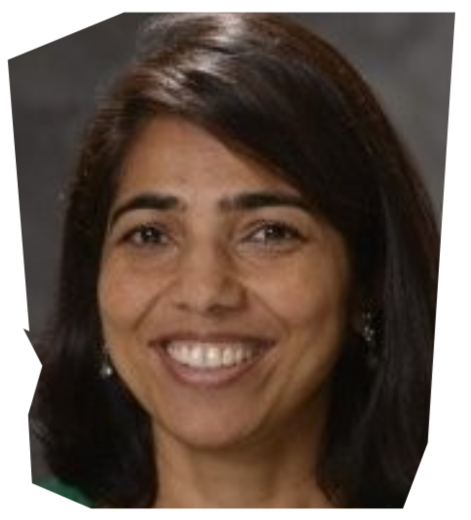 Head of Product Security, Product Security Officer, Cubic Transportation Systems
 Registration Level:
- Open Sessions
9:00 am - 9:45 amLocation / Room: Keynote TheaterThe security industry has reinvented itself annually to sell us new fears. Quantum threats. AI-powered everything. The next generation of awareness training. Each year, a new wave of FUD designed to convince us we need to spend more to be “future-proof.”
But here’s what we’ve been saying at happy hours and inside conversations for years: most of it is BS.
Security Catharsis is the conversation we’ve been too afraid to have on stage. No vendor pitches. No corporate talking points. Just honest dialogue about where the industry has lost its way—and what we’re going to do about it. We’ll tackle a few topics:
- Hype vs. real threat: Quantum-proof encryption, Gen-AI Chatbot Proxies, even printer security. What became of our ability to threat model?
- Security awareness training: From compliance checkbox to victim blaming
- Foundations vs. quick fixes: Why we keep buying band-aids for festering wounds
Join us for an unfiltered panel discussion where security professionals say what they actually think. We’ll validate what you’ve been thinking but weren’t sure you could say out loud. We’ll challenge the FUD. And we’ll talk about what it actually takes to get back to fundamentals.
This isn’t therapy. This is a call to action. If you’ve been having these conversations in private for years, it’s time we had them in public.
9:45 amNetworking Break & Cyber ConnectPutting the Pieces Together - Join this bonus session in the Networking Hall Registration Level:
- Open Sessions
9:45 am - 10:10 amLocation / Room: Networking HallCome join the “Putting the Pieces Together” project, featuring a 1,000-piece jigsaw puzzle of Boston. Come by the puzzle, near the ISACA booth in the Networking Hall, and place some puzzle pieces. While you’re at it, feel free to discuss what the pieces of your cyber puzzle are. We will have an easel with some markers for logging aspects of your cybersecurity environment. We’ll share those takeaways toward the end of Day 2.
10:10 am[Panel] Cyber Resilience and the Role of Business ContinuityFocus Areas: Integrated Governance; Supply Chain; Aligning SOC, BCP, and Crisis Leadership; Operational Durability: Strategic Resilience Associate Director, Business Continuity & Resilience, Vertex Pharmaceuticals
 Independent Security Consultant
 CIO/CISO, Agero, Inc.
 Registration Level:
- Conference Pass
10:10 am - 10:45 amLocation / Room: 210In an era defined by ransomware, AI-enabled threats, supply chain interdependencies, regulatory expansion, and persistent operational disruption, cybersecurity can no longer operate in isolation. True resilience demands alignment between cyber defense, business continuity, crisis leadership, and enterprise risk governance.
This panel explores how modern organizations are shifting from reactive incident response to integrated cyber resilience strategies, where Business Continuity Programs (BCP) serve not as compliance artifacts, but as strategic enablers of operational durability and stakeholder trust.
10:10 amShadow AI and the CISO's Blind Spot: Everyone's an Engineer Now!Focus Areas: Shadow AI Governance & Discovery; AI Data Protection & DLP; AI-Native Security Engineering VP, CISO, Boost InsuranceRegistration Level:
- Conference Pass
10:10 am - 10:45 amLocation / Room: 202The AI revolution didn’t knock on the CISO’s door—it walked right past it. ChatGPT, Copilot, Claude, Gemini, and a thousand niche AI tools have turned every employee in your organization into a self-proclaimed engineer. Marketing is building automated workflows. Sales is feeding CRM data into LLMs for forecasting. Finance is using AI to parse contracts. And none of them filed a ticket with security.
Welcome to the era of Shadow AI , where the barrier to “engineering” a solution dropped to zero and your threat surface exploded overnight.
For cybersecurity engineering teams, this is an existential shift. The traditional model—where security reviews happened before deployment, where IT controlled the toolchain, where data flows were visible and governed—is broken. Everyone’s an engineer now, and they’re building in the dark.
This session tackles the hard problems CISOs are losing sleep over. How do you maintain SOC 2, CCPA, and regulatory compliance when sensitive data is leaving your environment through a chat window? How do you inventory AI services you didn’t procure and can’t see? What happens when AI-generated code ships to production without AppSec review? And how do you staff and structure your cybersecurity engineering team for a world where the threat isn’t just external adversaries—it’s your own workforce innovating without guardrails?
We’ll get past the hand-wringing and into what actually works: building AI usage telemetry and discovery pipelines, implementing risk-tiered governance that moves at the speed of adoption, embedding security into AI workflows instead of gating them, and redefining the cybersecurity engineer’s role from gatekeeper to enabler. We’ll share real-world patterns for API-layer enforcement, DLP strategies that account for LLM interactions, and frameworks for giving the CISO the visibility they need without becoming the reason your company falls behind.
Everyone’s an engineer now. The question is whether your security team is engineered to handle it.
10:10 amData Security: The Missing ContextFocus Areas: Cybersecurity Readiness & ROI; Strategic Data Governance; Context-Aware AI Defense Regional Director, East, Concentric AIRegistration Level:
- Open Sessions
10:10 am - 10:45 amLocation / Room: 207Data security has been around for decades, and yet, it still feels like an unsolvable puzzle. Legacy technologies are typically resource-intensive, find just a small portion of companies’ sensitive data, and produce a ton of false positives. The impact to operations is often so significant that businesses never move their DLP out of monitoring mode.
Attend this session to learn:
- Why traditional approaches to data security have failed
- How AI and context are revolutionizing data security
- Where to maximize the value of your existing security investments
- What you can do to secure your Gen AI rollouts
With the right strategy and technology, you can transform your data from a liability to a well-managed asset.
10:10 amThe AI Advantage: Why Your Legacy Security Is a LiabilityFocus Areas: Unified AI Security & Lifecycle Management; Legacy Transformation & AI Readiness; AI-Driven Competitive Advantage (ROI) VP & CISO in Residence, ZscalerRegistration Level:
- Open Sessions
10:10 am - 10:45 amLocation / Room: 208Organizations that embrace AI gain a distinct competitive advantage. However, legacy security architectures were not built for the unique demands of AI, and fragmented point products often fail to scale effectively. This session covers why a unified AI security platform provides a holistic solution, enabling organizations to protect every phase of the enterprise AI lifecycle seamlessly and at scale.10:45 amNetworking Break & Cyber ConnectAsk Me Anything – Join this bonus session in the Networking HallSr. Cybersecurity Consultant, Wilson CyberRegistration Level:- Open Sessions
10:45 am - 11:10 amLocation / Room: Networking HallPull up a chair with Larry Wilson, a trusted a security leader, for a chat about, well, ANYthing. In this casual interactive session, you set the agenda. Bring your questions on AI, career growth, lessons learned—anything you want to know—and walk away with useful insights from the moderator and your peers.
11:10 amBreaking into the BoardroomFocus Areas: Board Communication & Governance; Cyber Risk Strategy & Quantification; Leadership & Strategic Alignment Operating Partner | CISO, Welsh, Carson, Anderson & StoweRegistration Level:
- Conference Pass
11:10 am - 11:45 amLocation / Room: 202Are you leading your audit committee meetings with vulnerability statistics and budget requests? It’s essential to understand the real concerns of the board and provide them with the information they need. In this session, learn how to transition from being a security leader to becoming a trusted cyber risk leader.11:10 amFrom 'No' to 'How': The CISO's Upgrade in 2026Interest tags: CISO Strategy; AI Security Governance; Security Metrics CISO / Head of Infrastructure, Income Research + ManagementRegistration Level:
- Conference Pass
11:10 am - 11:45 amLocation / Room: 207In 2026, CISOs sit at the intersection of cyber risk, AI, regulation, and growth. The days of the “department of no” are over; security leaders are expected to be business operators who enable transformation—instead of blocking it.
This session explores how the role is evolving, what boards and regulators now expect, and how to shift your security team from reactive firefighting to proactive business enablement. You’ll leave with a practical playbook you can apply immediately: new ways to communicate with the business, embed security into AI and digital initiatives, and measure success in terms that actually matter to executives.
11:10 amYour Help Desk Just Reset a Password for an AI AgentFocus Areas: AI-Enhanced Social Engineering; Identity-Based Initial Access; Human-in-the-Loop Risk (OOB Verification) CEO & Co-Founder, GhostEyeRegistration Level:
- Open Sessions
11:10 am - 11:45 amLocation / Room: 208Your outsourced help desk agents have access to customer data, admin consoles, and account controls. But what happens when the person calling in for help isn’t a person at all? We used OSINT to profile real employees, generated hyper-personalized pretexts, and deployed AI voice agents against live external help desks to see what we could get them to hand over. This talk walks through exactly how we did it, what worked, what didn’t, and how to lock it down before a real attacker calls.11:10 am[Panel] Navigating the Evolving Digital Battlefield Sr. Solutions Engineer, Sumo Logic
 Sr. Product Marketing Manager, Threat Intel, Infoblox
 Founder & CEO, Seceon
 Founder & CEO, P0 Security
 Registration Level:
- Open Sessions
11:10 am - 11:45 amLocation / Room: 210As organizational footprints expand across cloud, SaaS, OT/IoT, and dispersed workforces, defenders face a more complex and interconnected digital battlefield. This panel brings together experts to explore how today’s threat actors combine automation, social engineering, identity breaches, and software supply-chain attacks into highly coordinated assaults.
Panelists will examine the expanding importance of identity in the modern SOC, the emergence of AI-driven threats such as automated reconnaissance and deepfake-assisted breaches, and how fourth-party dependencies are changing risk visibility. The discussion also connects these trends to organizational resilience—showing how teams can improve detection, response, and business continuity across an evolving attack surface. This comprehensive session provides practical insights for any security leader seeking clarity amid converging threats.
11:45 amNetworking BreakRegistration Level:- Open Sessions
11:45 am - 12:00 pmLocation / Room: Networking HallVisit the Networking Hall to network with attendees and connect with our supporting solution providers and association partners.
12:00 pm[Lunch Keynote] Ask Us Anything! A Live Conversation with Security LeadersFocus Areas: Leadership, Decision Making, Communication CISO, Tufts University
 CISO, Cambridge Health Alliance
 Former CISO, Advent International
 Registration Level:
- Open Sessions
12:00 pm - 12:45 pmLocation / Room: Keynote TheaterIn an industry defined by constant change, some challenges have proven remarkably persistent. New technologies emerge, threat actors adapt, and the latest “revolution” captures headlines—but many of the core issues security leaders face today are the same ones they’ve been navigating for years.
This interactive closing keynote brings together a panel of experienced security leaders for a candid, audience-driven conversation about what hasn’t changed in cybersecurity. From managing risk and influencing the business to building trust, leading teams, and responding to inevitable incidents, the discussion will focus on the enduring lessons that remain relevant—regardless of the tools, platforms, or trends of the moment.
Attendees are encouraged to shape the conversation by asking live questions, sharing reflections, and sharing real-world scenarios. Whether the topic is AI, cloud, ransomware, or the next unknown disruption, this session offers perspective grounded in experience—and a reminder that while technology evolves, the fundamentals of security leadership remain surprisingly constant.
Join us for an honest conversation, shared learning, and a thoughtful end to the day before we continue the discussion at happy hour.
12:00 pmAdvisory Council Roundtable Lunch (VIP / Invite only)Cyber Strategies for a Modern, AI World Registration Level:
- VIP / Exclusive
12:00 pm - 12:45 pmLocation / Room: 206Join fellow industry security leaders to exchange insights, strategies, and best practices on the critical topics of AI security in the context of threat intelligence, regulatory compliance, and emerging security technologies.
Come ready to discuss:
- Evolving Cyber Threats & Actors – Understanding the current state of cyber attacks and the shifting threat landscape.
- Proactive & Reactive Strategies – Addressing threats associated with model manipulation and poisoning as well as agentic manipulation.
- Key Security Priorities – Identifying critical risk factors and effective mitigation strategies.
- Cyber Resilience in Strategy – Designing an AI framework to deliver cyber resilience for AI workloads.
This is an opportunity to exchange insights, strategies, and best practices with industry peers in an intimate and exclusive setting.
Generously supported by:
 12:45 pmNetworking BreakRegistration Level:
- Open Sessions
12:45 pm - 1:10 pmLocation / Room: Networking HallVisit the Networking Hall to network with attendees and connect with our supporting solution providers and association partners.
1:10 pmWorkforce Identity in the Age of Remote DeceptionFocus Areas: Identity & Access Governance; Insider Risk & Workforce Integrity; Cross-Functional Security Leadership CISO, TMF Health Quality Institute
 Deputy CISO, TMF Health Quality InstituteRegistration Level:
- Conference Pass
1:10 pm - 1:45 pmLocation / Room: 202In today’s remote-first world, ensuring that the people doing the work are actually who they claim to be has become a critical challenge. From North Korean agents posing as freelance developers to employees collecting full-time paychecks from three different companies, the risks are as real as they are hard to detect.This session will offer practical strategies for managing this complex problem. The solution requires close collaboration between executives, human resources, security, compliance, and supervisors. How do you create a program that balances the competing priorities of security and teamwork? How do you regularly validate workers while not giving the impression that “big brother is watching you”?Leave with new insights, sharper instincts, and a fresh perspective on modern workforce protection.1:10 pmTechnology Rationalization in the Age of AI: A Strategic Approach to Cyber ResilienceFocus Areas: Rationalization & Financial Performance; Complexity Risk & The "AI Friction Tax"; Engineered Resilience for Autonomous Systems VP, Professional Services, AccessIT GroupRegistration Level:
- Open Sessions
1:10 pm - 1:45 pmLocation / Room: 207Technology rationalization has been a standing objective for many security leaders, yet it has consistently been deprioritized in favor of more immediate initiatives. Historically, the cost of deferral was tolerable. That is no longer the case.Modern security environments are increasingly fragmented – characterized by excessive vendor sprawl, overlapping capabilities, redundant tooling, and limited end-to-end visibility. This complexity not only inflates cost but also undermines operational effectiveness and governance. As AI becomes embedded across security operations, software development lifecycles, business workflows, and autonomous systems, the risks associated with an unrationalized environment accelerate significantly.This session outlines why rationalization must move from operational backlog to strategic agenda. Participants will examine a structured approach to evaluating their current technology stack, identifying underperforming or duplicative investments, aligning capabilities to measurable business risk, and establishing a foundation that can be governed effectively in an AI-enabled enterprise.Designed for CISOs, security leaders, and technology executives, this session provides both the strategic framing and practical considerations required to drive meaningful rationalization at the enterprise level.1:10 pmUpdate Your Mental Risk Management Operating SystemFocus Areas: Overcoming Patch Paralysis; The Risk Management OS; Automating the Risk Lifecycle VP, Product Security & Public Sector Solutions, QualysRegistration Level:
- Open Sessions
1:10 pm - 1:45 pmLocation / Room: 208Every day, millions of us check into work and do the same wrong thing again and again. We use low-context information like CVSS to push our organizations to change their priorities, mostly based on our consequence-driven analysis. The results: friction, patch paralysis, and burnout. If you want to get more done but don’t know how, update your mental operating system to enable the shift to cyber risk management. Reclaim your time, create greater flow, and ship better outcomes.
Attend this session to learn:
- The steps to risk management
- How to accelerate with AI automation
- Three things you can do today to get started
1:10 pm[Panel] The Double-Edged Sword of AI in Cyber Defense Sales Engineer, SecureFlag
 Sr. Director, GSI, AppOmni
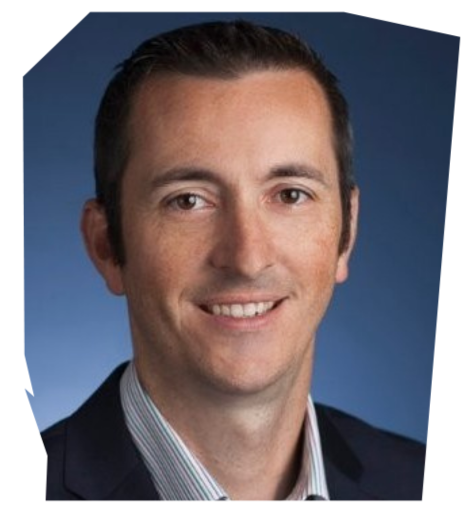 Evangelist, Sr. Solutions Architect, Security Operations, Fortinet
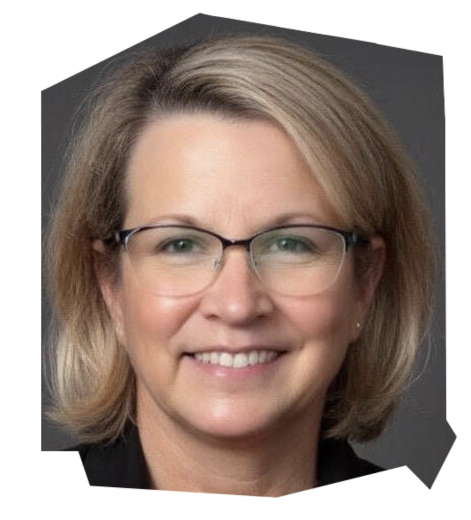 Field CISO, Abnormal AIRegistration Level:
- Open Sessions
1:10 pm - 1:45 pmLocation / Room: 210AI is revolutionizing cybersecurity at all levels, speeding up detection and enabling automated attacks on an unprecedented scale. This session examines AI’s dual role as both a powerful defensive tool and a new threat vector for attackers. Panelists will discuss how AI copilots enhance analyst workflows, triage, and anomaly detection, while also addressing emerging risks such as LLM data leakage, prompt injection, model poisoning, and hallucinations within high-trust SOC processes.
The discussion will cover AI governance and assurance frameworks, evolving regulatory expectations, and the impact of synthetic content—including deepfakes, audio spoofing, and hyper-personalized phishing—on social engineering defenses. Attendees will leave with a solid understanding of AI’s potential, the safety measures needed for responsible deployment, and practical steps for preparing teams and pipelines for an AI-driven threat environment.
1:45 pmNetworking Break & Cyber ConnectWorkforce Identity in the Age of Remote Deception: Why Some Candidates Break Every Gate IT Support Specialist, Boston UniversityRegistration Level:
- Open Sessions
1:45 pm - 2:10 pmLocation / Room: Networking HallRemote hiring has expanded the attack surface of workforce identity. While most candidates operate within real reputational and social constraints, deceptive actors such as fake freelancers and long-term infiltrators do not. This networking break bonus session introduces a practical distinction between “bounded” and “unbounded” deception to explain why traditional interview practices unintentionally favor high-risk actors. Attendees will learn how this asymmetry leads to systematic hiring failures, why insider risk controls often arrive too late, and how security and hiring teams can introduce lightweight checks that surface risk earlier without accusations, discrimination, or complex tooling.2:10 pmInfraGard Boston Chapter Meeting (open to all attendees):Coloring Outside the Lines: Operationalizing AI Governance Managing Director, Novus LaurusRegistration Level:
- Open Sessions
2:10 pm - 2:45 pmLocation / Room: 202AI isn’t politely arriving on a rollout plan. It’s already embedded in vendors, workflows, and decisions that slipped past policy. That reality forces a shift. Governance has to mean more than binders, policies, and charter documents. What does governance look like when you cannot yet see the shape, scale or future use of AI, inside or outside your organization, and yet it is already shaping decisions today? How do you operationalize governance so AI can support growth rather than suppress innovation? And how do you design governance to be durable when it may never be complete?This session brings a grounded perspective from the realities of making AI governance work in practice.2:10 pmSecurity ROI in 2026: How CISOs Build Predictable Budgets in an Unpredictable Threat LandscapeFocus Areas: Security Yield & Risk-Based Budgeting; Integrated Service Models vs. Tool Sprawl; Board-Level Financial Communication CISO, Blue Mantis
 Sr. Practice Director, Managed Services and Modern Workspace, Blue MantisRegistration Level:
- Open Sessions
2:10 pm - 2:45 pmLocation / Room: 208CISOs today face rising threats, shrinking talent pools, and tool sprawl that make security programs difficult to scale and even harder to budget.In this session, Blue Mantis security leaders present a practical ROI framework that compares the true cost of building in house capabilities such as 24×7 monitoring, compliance operations, and platform management against modern, integrated service models.
We’ll explore common gaps, why MDR alone is no longer enough, and how leaders can move toward predictable, outcome-driven security investments. Attendees will walk away with actionable guidance to simplify their environment, strengthen their security posture, and confidently justify budget requirements at the executive and board level.2:10 pmReduce the Blast Radius with MicrosegmentationFocus Areas: Microsegmentation & Lateral Movement Defense; Zero Trust Architecture (ZTA); Hybrid Cloud Security; Workload Isolation Technical Director of Security, EchoStorRegistration Level:
- Open Sessions
2:10 pm - 2:45 pmLocation / Room: 207Many organizations struggle with security in complex IT environments, from legacy data centers to the cloud deployments. A key challenge is defending against malicious lateral movement (east/west traffic). This session discusses how segmentation and microsegmentation offer a proven strategy to mitigate these risks.
The session explores how these approaches enhance security across all IT infrastructure layers by creating granular, isolated security zones around workloads and applications. You’ll gain insights into how this significantly reduces the “blast radius” of a breach, limits attacker movement, and strengthens your overall cybersecurity posture.
2:10 pm[Panel] Cloud Security & Multi-Cloud Defense: Securing the Modern EnterpriseFocus Areas: Multi-Cloud & SaaS Governance; Workload & Data Protection; Zero Trust & Edge Security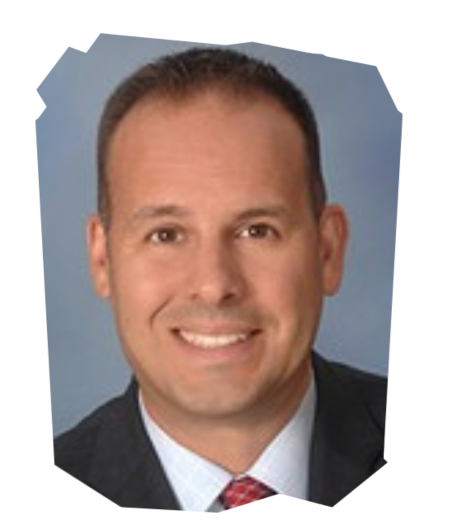 Head of Enterprise Cybersecurity, East, OpenText
 Sales Engineer, Torq
 Lead, GRC Solutions Expert, Vanta
 Security Engineer, Check Point Software Technologies
 Registration Level:
- Open Sessions
2:10 pm - 2:45 pmLocation / Room: 210Modern enterprises rely on a complex mix of cloud providers, SaaS platforms, APIs, and distributed identities—offering agility but also creating new control gaps. This panel gathers leaders in CSPM, workload protection, cloud identity, API security, and SaaS governance to explore the challenges of securing multi-cloud environments at scale.
Panelists will discuss AI-driven misconfigurations, rapid SaaS sprawl, and the persistent risk of API-related breaches, as well as how zero trust principles are applied to cloud entitlements and data flows. The conversation also covers DSPM-led visibility, cross-cloud identity governance, and the convergence of network and cloud security through SASE/SSE. Whether you’re cloud-mature or still early in the journey, this session provides strategies for protecting cloud workloads, identities, and data in environments where every misconfiguration can become a breach.
2:45 pmNetworking Break & Cyber ConnectCybersecurity Culture: Why Your Biggest Vulnerability Is Still Your People CISM, CRISC, GISP, ITILv4Registration Level:
- Open Sessions
2:45 pm - 3:15 pmLocation / Room: Networking HallOrganizations spend billions annually on firewalls, endpoint protection, SIEM platforms, and zero-trust architecture—yet the most sophisticated breach often begins with a single employee clicking the wrong link. The uncomfortable truth is that technology alone will never be enough.
In this interactive discussion, Gene Kingsley draws on his experience building cybersecurity communities and bridging the gap between technical teams and the humans they protect. Together, we’ll explore why culture—not tools—is the ultimate security layer, and what enterprise security leaders can do Monday morning to start closing the human gap.
Come ready to share, challenge, and leave with something actionable.
3:15 pm[Closing Keynote] Insider Flashpoints: How Organizational Change Sparks Insider Leaks, and How to Stop ThemFocus Areas: Insider Threat & Risk Management; Digital Forensics & Steganography; Invisible Forensic Watermarking CEO & Co-Founder, EchoMarkRegistration Level:
- Open Sessions
3:15 pm - 4:00 pmLocation / Room: Keynote TheaterLeaks don’t discriminate. In 2025, each of the world’s 10 largest companies and all 15 U.S. cabinet-level departments experienced damaging insider leaks. Traditional security tools were designed to keep information in — but they have no answer for what happens once it’s out, and they were never built to prove who let it out.Invisible forensic watermarking technology, building on steganographic foundations, closes that gap. By silently embedding a unique identity into every email, document, image, and screen an organization shares, this technology turns every piece of sensitive information into its own witness. Recipients never see the marks, and they survive attempts to remove them. And when sensitive content surfaces where it shouldn’t - for example as a phone photo of a printed page — these watermarks can connect back to the unique copy of the content.This session pulls back the curtain on how invisible watermarking actually works: the underlying technology, how it survives screenshots, printouts, and rephrasing attempts, and what it takes to be useful as forensic evidence. Live examples across different industry scenarios show what leak investigation looks like when the evidence is already embedded before the breach ever happens.4:00 pmHappy HourRegistration Level:- Open Sessions
4:00 pm - 5:30 pmLocation / Room: Networking HallJoin your peers for conversation and complimentary beverages. This is a great opportunity to network with other security professionals from the area and discuss the hot topics from the day.
4:00 pm[PLUS Course] Protecting AI Systems from Malicious Cyber Attacks - Part 2Registration Level:- SecureWorld Plus
4:00 pm - 5:30 pmLocation / Room: 204Upon completion of this course, attendees will have an up-to-date understanding of how AI works, AI implementation options, AI threats and vulnerabilities, AI security controls standards, best practices for building an AI security program, and assessing risks assessing AI security risks. The course covers technical security controls applied to AI systems and underlying infrastructure before, during, and after a cyberattack. Finally, administrative security capabilities, including AI governance, risk management, compliance, and audit considerations will be discussed.
Today’s companies develop, deploy, access AI applications and workloads through many computing environments including public cloud, private cloud, multi-cloud, hybrid cloud, and on-premises. These AI implementations and operations involve the risk of one or more cyberattacks that target the AI systems directly (model tampering, agent manipulation, data poisoning, GPU runtime exploits, etc.) or target the underlying infrastructure (public cloud, private cloud, on-premises, etc.) where the AI systems reside. The various development and deployment solutions make securing high-risk AI systems a challenge. A comprehensive AI cybersecurity program should account the various of development / deployment / operations scenarios.
The objective of this class is to help organizations design, develop, build, and manage high-risk AI systems and the underlying cloud, multi-cloud, hybrid cloud, on-premises environments that support AI systems throughout design, development, deployment, and operations. The course deliverables are grouped into six modules which cover key topics related to building a highly effective AI Security Program.
Module 1: What is Artificial Intelligence (AI) and how does AI work?
Includes an overview of Artificial Intelligence (AI) including how AI works (applications and workloads), AI architecture, components, and processes (models, algorithms, workflows). Module 1 includes topics such as AI Models (Generative AI, Large Language Models (LLMs), foundation models), and Multi-Agent Systems (MAS). A review of AI Use Cases across multiple industry sectors is included.
Module 2: AI Cloud Adoption Frameworks (CAFs)
An AI Cloud Adoption Framework (CAF) provides a structured approach to adopting AI solutions effectively and responsibly. It is designed to guide organizations through the process of implementing AI workloads ensuring scalability, security, and operational excellence. Topics include developing, deploying, and securing AI solutions in Microsoft Azure Cloud, Amazon Web Services (AWS), Google Cloud Platform (GCP) and Oracle Cloud Infrastructure (OCI). Deployment models include IaaS (bring your AI), PaaS (build your AI), and SaaS (buy your AI).
Module 3: AI threats and Vulnerabilities
AI Threats include those related to AI models, the data such models are trained and tested on, the third-party components, plug-ins, and libraries utilized in their development, as well as the platform models are hosted on. Topics include an overview of the FS-ISAC Adversarial AI Framework, MITRE ATLAS (a framework that provides adversary profiles, techniques, and mitigations for securing AI-enabled systems), and OWASP Agentic AI Threats. Module 3 also includes a discussion of AI vulnerabilities including data related vulnerabilities and model related vulnerabilities. Topics include the OWASP Top 10 for LLM Applications (2025) and the OWASP Top 10 for Agentic Applications (2026).
Module 4: AI security controls
Includes an overview of NIST SP 800-218A Secure Software Development Framework (SSDF) for AI, the Google Secure AI Framework (SAIF), the OWASP AI Security and Privacy Guide, and the Cloud Security Alliance AI Controls Matrix (AICM). NIST SP 800-218A provides secure software development practices specifically for generative AI and dual-use foundation models. The Google Secure AI Framework (SAIF) provides guidance for securing AI systems, including the SAIF Risk Self-Assessment to help build and deploy AI systems securely. The OWASP AI Security and Privacy Guide provides clear and actionable insights on designing, creating, testing, and procuring secure and privacy-preserving AI systems. The AI Controls Matrix (AICM) is a comprehensive framework developed by the Cloud Security Alliance (CSA) to help organizations align their AI practices with international standards and regulations.
Module 5: Building an AI Security Program
This module focuses on building a comprehensive AI security program to protect AI systems (in development and in production) as well as a security program for the underlying multi-cloud / hybrid-cloud solution. NIST SP 800-18 Rev. 2 Developing Security, Privacy, and Cybersecurity Supply Chain Risk Management Plans for Systems outlines the essential components of a System Security Pan (SSP), which documents security requirements for a system and describes the controls in place or planned to meet those requirements. NIST SP 1800-35 Implementing a Zero Trust Architecture, which includes a discussion on enabling secure authorized access to enterprise resources distributed across on-premises and multiple cloud environments. Module 5 also includes is a summary of NIST practices for Assessing Risks and Impacts of AI (ARIA) which supports three evaluation levels: model testing, red-teaming, and field testing.
Module 6: AI governance, AI risk management, AI compliance, AI audit
This module Includes an overview of AI Governance, Compliance and AI Audit requirements. AI governance includes processes, standards and guardrails that help ensure AI systems and tools are safe and ethical. Includes an overview of NIST-AI-600-1, Artificial Intelligence Risk Management Framework: Generative Artificial Intelligence Profile and companion document AI RMF Playbook. The profile helps organizations identify unique risks posed by generative AI and proposes actions for generative AI risk management that best aligns with their goals and priorities. AI compliance refers to the decisions and practices that enable businesses to stay in line with the laws and regulations that govern the use of AI systems. AI audit requirements focus on ensuring transparency, accountability, and compliance in AI systems.
4:00 pm[PLUS Course] Master the NIST Cybersecurity Framework v2.0 in Just Six Hours - Part 2Registration Level:- SecureWorld Plus
4:00 pm - 5:30 pmLocation / Room: 201This intensive, live workshop is your shortcut to cyber resilience mastery. In just one power-packed day, you’ll walk away with:
- Complete mastery of NIST CSF 2.0 – Understand every component and why it matters to YOUR business
- Your personalized Cyber Risk Map – Identify your organization’s exact vulnerabilities and blind spots
- A step-by-step action plan – No more guessing what to do next
- Real-world case studies – See how organizations just like yours have successfully implemented the framework
- Expert-level confidence – Finally speak cybersecurity with authority and clarity
What makes this different?
This isn’t another theoretical lecture. You’ll spend most of your time actually BUILDING your organization’s cybersecurity roadmap using the proven Cyber Risk Management Action Plan (CR-MAP) methodology. You’ll leave with tools and know-how you can implement immediately.Perfect for:
- IT Directors and Managers
- Cybersecurity Professionals
- Business Leaders responsible for risk management
- Compliance Officers
- Anyone tasked with “figuring out cybersecurity”
Exclusive Bonus: Every attendee receives our comprehensive digital CR-MAP Online Workbook ($197 value), your step-by-step guide to:
- Getting BUY-IN from your senior decision makers
- Discovering your top five cyber risks
- Creating a prioritized risk mitigation plan with implementation roadmap
- A score card you can use to track progress
Warning: This live, in-person intensive has limited seating. Don’t let another cyber incident catch your organization unprepared.
Your organization’s cybersecurity can’t wait. Register now.
- Thursday, April 9, 20267:00 amRegistration openRegistration Level:
- Open Sessions
7:00 am - 4:15 pmLocation / Room: Registration DeskCome to the Registration desk in the lobby to check-in and get your badge. SecureWorld staff will be available throughout the day if you have any questions.
7:30 am[PLUS Course] Protecting AI Systems from Malicious Cyber Attacks - Part 3Registration Level:- SecureWorld Plus
7:30 am - 9:30 amLocation / Room: 204Upon completion of this course, attendees will have an up-to-date understanding of how AI works, AI implementation options, AI threats and vulnerabilities, AI security controls standards, best practices for building an AI security program, and assessing risks assessing AI security risks. The course covers technical security controls applied to AI systems and underlying infrastructure before, during, and after a cyberattack. Finally, administrative security capabilities, including AI governance, risk management, compliance, and audit considerations will be discussed.
Today’s companies develop, deploy, access AI applications and workloads through many computing environments including public cloud, private cloud, multi-cloud, hybrid cloud, and on-premises. These AI implementations and operations involve the risk of one or more cyberattacks that target the AI systems directly (model tampering, agent manipulation, data poisoning, GPU runtime exploits, etc.) or target the underlying infrastructure (public cloud, private cloud, on-premises, etc.) where the AI systems reside. The various development and deployment solutions make securing high-risk AI systems a challenge. A comprehensive AI cybersecurity program should account the various of development / deployment / operations scenarios.
The objective of this class is to help organizations design, develop, build, and manage high-risk AI systems and the underlying cloud, multi-cloud, hybrid cloud, on-premises environments that support AI systems throughout design, development, deployment, and operations. The course deliverables are grouped into six modules which cover key topics related to building a highly effective AI Security Program.
Module 1: What is Artificial Intelligence (AI) and how does AI work?
Includes an overview of Artificial Intelligence (AI) including how AI works (applications and workloads), AI architecture, components, and processes (models, algorithms, workflows). Module 1 includes topics such as AI Models (Generative AI, Large Language Models (LLMs), foundation models), and Multi-Agent Systems (MAS). A review of AI Use Cases across multiple industry sectors is included.
Module 2: AI Cloud Adoption Frameworks (CAFs)
An AI Cloud Adoption Framework (CAF) provides a structured approach to adopting AI solutions effectively and responsibly. It is designed to guide organizations through the process of implementing AI workloads ensuring scalability, security, and operational excellence. Topics include developing, deploying, and securing AI solutions in Microsoft Azure Cloud, Amazon Web Services (AWS), Google Cloud Platform (GCP) and Oracle Cloud Infrastructure (OCI). Deployment models include IaaS (bring your AI), PaaS (build your AI), and SaaS (buy your AI).
Module 3: AI threats and Vulnerabilities
AI Threats include those related to AI models, the data such models are trained and tested on, the third-party components, plug-ins, and libraries utilized in their development, as well as the platform models are hosted on. Topics include an overview of the FS-ISAC Adversarial AI Framework, MITRE ATLAS (a framework that provides adversary profiles, techniques, and mitigations for securing AI-enabled systems), and OWASP Agentic AI Threats. Module 3 also includes a discussion of AI vulnerabilities including data related vulnerabilities and model related vulnerabilities. Topics include the OWASP Top 10 for LLM Applications (2025) and the OWASP Top 10 for Agentic Applications (2026).
Module 4: AI security controls
Includes an overview of NIST SP 800-218A Secure Software Development Framework (SSDF) for AI, the Google Secure AI Framework (SAIF), the OWASP AI Security and Privacy Guide, and the Cloud Security Alliance AI Controls Matrix (AICM). NIST SP 800-218A provides secure software development practices specifically for generative AI and dual-use foundation models. The Google Secure AI Framework (SAIF) provides guidance for securing AI systems, including the SAIF Risk Self-Assessment to help build and deploy AI systems securely. The OWASP AI Security and Privacy Guide provides clear and actionable insights on designing, creating, testing, and procuring secure and privacy-preserving AI systems. The AI Controls Matrix (AICM) is a comprehensive framework developed by the Cloud Security Alliance (CSA) to help organizations align their AI practices with international standards and regulations.
Module 5: Building an AI Security Program
This module focuses on building a comprehensive AI security program to protect AI systems (in development and in production) as well as a security program for the underlying multi-cloud / hybrid-cloud solution. NIST SP 800-18 Rev. 2 Developing Security, Privacy, and Cybersecurity Supply Chain Risk Management Plans for Systems outlines the essential components of a System Security Pan (SSP), which documents security requirements for a system and describes the controls in place or planned to meet those requirements. NIST SP 1800-35 Implementing a Zero Trust Architecture, which includes a discussion on enabling secure authorized access to enterprise resources distributed across on-premises and multiple cloud environments. Module 5 also includes is a summary of NIST practices for Assessing Risks and Impacts of AI (ARIA) which supports three evaluation levels: model testing, red-teaming, and field testing.
Module 6: AI governance, AI risk management, AI compliance, AI audit
This module Includes an overview of AI Governance, Compliance and AI Audit requirements. AI governance includes processes, standards and guardrails that help ensure AI systems and tools are safe and ethical. Includes an overview of NIST-AI-600-1, Artificial Intelligence Risk Management Framework: Generative Artificial Intelligence Profile and companion document AI RMF Playbook. The profile helps organizations identify unique risks posed by generative AI and proposes actions for generative AI risk management that best aligns with their goals and priorities. AI compliance refers to the decisions and practices that enable businesses to stay in line with the laws and regulations that govern the use of AI systems. AI audit requirements focus on ensuring transparency, accountability, and compliance in AI systems.
7:30 am[PLUS Course] Master the NIST Cybersecurity Framework v2.0 in Just Six Hours - Part 3Registration Level:- SecureWorld Plus
7:30 am - 9:00 amLocation / Room: 201This intensive, live workshop is your shortcut to cyber resilience mastery. In just one power-packed day, you’ll walk away with:
- Complete mastery of NIST CSF 2.0 – Understand every component and why it matters to YOUR business
- Your personalized Cyber Risk Map – Identify your organization’s exact vulnerabilities and blind spots
- A step-by-step action plan – No more guessing what to do next
- Real-world case studies – See how organizations just like yours have successfully implemented the framework
- Expert-level confidence – Finally speak cybersecurity with authority and clarity
What makes this different?
This isn’t another theoretical lecture. You’ll spend most of your time actually BUILDING your organization’s cybersecurity roadmap using the proven Cyber Risk Management Action Plan (CR-MAP) methodology. You’ll leave with tools and know-how you can implement immediately.Perfect for:
- IT Directors and Managers
- Cybersecurity Professionals
- Business Leaders responsible for risk management
- Compliance Officers
- Anyone tasked with “figuring out cybersecurity”
Exclusive Bonus: Every attendee receives our comprehensive digital CR-MAP Online Workbook ($197 value), your step-by-step guide to:
- Getting BUY-IN from your senior decision makers
- Discovering your top five cyber risks
- Creating a prioritized risk mitigation plan with implementation roadmap
- A score card you can use to track progress
Warning: This live, in-person intensive has limited seating. Don’t let another cyber incident catch your organization unprepared.
Your organization’s cybersecurity can’t wait. Register now.
8:00 amNetworking Hall openRegistration Level:- Open Sessions
8:00 am - 4:45 pmLocation / Room: Networking HallYour opportunity to visit our solution vendor partners, whose sponsorship makes SecureWorld possible, as well as association chapters! Booths have staff ready to answer your questions. Look for participating Dash For Prizes sponsors to be entered to win prizes.
Also, look for “Cyber Connect” discussions on select topics and join the conversation.
8:00 amAdvisory Council Roundtable Breakfast (VIP / Invite only)From Weakest Link to Strongest Defense: Rethinking the Human Element of Cybersecurity Registration Level:
- VIP / Exclusive
8:00 am - 8:45 amLocation / Room: 206Come join this closed-door, private conversation with your peers to talk about the human layer of cybersecurity—perhaps the most important element of all. We will discuss:
- Why security awareness training isn’t moving the needle
- Burnout in security teams and operational resilience
- Security culture versus compliance culture
- AI-driven phishing and social engineering
- Empowering employees versus policing them
8:00 amISSA New England Chapter Meeting (open to all attendees)Insider Threats: The Call Is Coming from Inside the House Author, "Blank Canvas: How I Reinvented My Life After Prison"Registration Level:
- Open Sessions
8:00 am - 8:45 amLocation / Room: 208Most insider threats don’t begin with malicious intent. They begin with a human being under pressure. Fear. Scarcity. Insecurity. These emotional drivers create tiny rationalizations that bypass even the strongest controls: “They owe me.” “I’ll fix it before anyone notices.” “This isn’t a big deal.”
By the time a security system detects something unusual, the damage is already in motion, because insider threats are fundamentally human threats. And humans are always smarter than the system when they’re driven by need and fueled by rationalization.
In this gripping, first-person session, Craig Stanland, who committed and served time for an $800K fraud, exposes how rationalization quietly rewires judgment, overrides policy, and turns trusted employees into your most significant vulnerability. This session goes beyond frameworks and compliance.
Focus Areas: Insider Threats; Risk Quantification; User and Entity Behavior Analytics
8:45 amNetworking BreakRegistration Level:- Open Sessions
8:45 am - 9:00 amLocation / Room: Networking HallVisit the Networking Hall to network with attendees and connect with our supporting solution providers and association partners.
9:00 am[Opening Keynote] Security at the Speed of InnovationFocus Areas: DevSecOps & Velocity-First Security; Hybrid Security Leadership; Securing AI & Agentic Ecosystems CISO, Pep BoysRegistration Level:
- Open Sessions
9:00 am - 9:45 amLocation / Room: Keynote TheaterWhat if your security program did its job, was compliant, and made engineering faster, not slower?This talk sheds light on security leadership’s evolving role and the rise of the hybrid CISO, velocity-first security models structured around risk-based controls instead of toll gates, automation everywhere, human exceptions by design, and a shift-left / shield-right strategy that iteratively increases delivery velocity while lowering blast radius each delivery cycle. Then we go straight at the hard part: securing agentic and generative AI ecosystems from north-south and east-west so every line of business can innovate with confidence. If you’re tired of security being the department of “no,” this session is your blueprint to become the engine of “go.”9:45 amNetworking Break & Cyber ConnectContinue the Conversation with Opening Keynote Speaker Silas AdamsCISO, Pep BoysRegistration Level:- Open Sessions
9:45 am - 10:10 amLocation / Room: Networking HallSilas Adams just told you why everyone is tired of security being the department of “no,” offering a blueprint for cybersecurity professionals at all levels to become the engines of “go.” Come join this bonus session in the Networking Hall immediately after his opening keynote and continue the conversation.
10:10 amBuilding Back Up a Seasoned Security Architecture Team in the OT WorldFocus Areas: OT Security Leadership & Talent Management; Critical Infrastructure Architecture; Strategic IT-OT Business Alignment Manager, Security Architecture & Strategy, Eversource EnergyRegistration Level:
- Conference Pass
10:10 am - 10:45 amLocation / Room: 202What happens when you inherit a large security architecture team of mixed disciplines in power and energy? You get to work. Understand what everyone is doing, understand how unique each offering architect is, find out what makes them tick, find out their interests. Then, as Mike Rowe said…safety third…then refine. Learn how to focus on your people, focus on IT; then align to the business to get it all done.
10:10 amHow Are You, Really? The Hidden Power of Identity in the EnterpriseFocus Areas: IAM as a Business Enabler; Strategic IAM Governance & Leadership; Human-Centric Security & Operational Resilience VP, Global Head IT & Security, EDETEK Inc.Registration Level:
- Conference Pass
10:10 am - 10:45 amLocation / Room: 210This presentation delves into why identity is more than just login credentials—it’s the linchpin of organizational security, collaboration, and strategic growth. This session peels back the layers of traditional access management, revealing how a robust IAM framework not only fortifies defenses against breaches but also empowers teams to innovate and scale. By understanding the full spectrum of identity’s influence, attendees will discover practical strategies to leverage IAM as a driving force for resilience and competitive advantage in a rapidly evolving digital world.
10:10 amIs Your Enterprise Ready for AI?Focus Areas: Shadow AI & Data Exfiltration Risk; AI Readiness & Financial Performance (ROA); Browser-Based Identity & Policy Enforcement Regional VP of Sales, New England, IslandRegistration Level:
- Open Sessions
10:10 am - 10:45 amLocation / Room: 208Everyone is using GenAI apps, and most are accessed via the browser. Are you able to see it, understand it, and adopt it safely? This session addresses the number one concern among corporate leaders: realizing the benefits of GenAI adoption while retaining the data controls, policy enforcement, and compliance that enterprises need.
This session covers:
- The risks associated with Shadow AI and lack of visibility
- How data leaks into unapproved AI apps, including employees uploading/copying/pasting sensitive data into unmanaged AI tools
- How you can gain visibility in AI activity and design policies that safely enables AI usage
- Other tips for managing employee use of AI within corporate boundaries
10:10 amWeaponized Intelligence: Navigating the Rise of GenAI Adversarial ThreatsFocus Areas: GenAI Threats; Adversarial AI; Human Attack Surface; Detection & Mitigation Strategies Field CISO, SophosRegistration Level:
- Open Sessions
10:10 am - 10:45 amLocation / Room: 207Job seekers, hiring managers, and professionals alike are suffering from Newton’s Third Law of Motion—”for every action, there is an equal and opposite reaction.” To apply this to our current digital ecosystem, for all the great benefits that generative AI has produced, it’s now given adversaries a wealth of tools to collect, create, and manipulate individuals and companies at great depths. This will navigate the rising abuse of the human element in gen AI, tools and tradecraft, current events, and mitigation strategies to implement within your own organization.
10:45 amNetworking Break & Cyber ConnectAsk Me Anything – Join this bonus session in the Networking HallCo-Host, Cyber Risk Management Podcast; vCISO, Cyber Risk Opportunities LLCRegistration Level:- Open Sessions
10:45 am - 11:10 amLocation / Room: Networking HallPull up a chair with Kip Boyle, longtime CISO, author of Fire Doesn’t Innovate, and host of the Cyber Risk Management Podcast. In this casual, 25-minute conversation, you set the agenda. Bring your questions on NIST CSF, AI, career growth, or anything at all; and walk away with useful insights from Kip and your peers.
11:10 amMerge with Caution: Navigating the Security Gravity of Large-Scale Tenant ConsolidationFocus Areas: Cloud Governance & Architecture; M&A Cybersecurity Strategy; Identity & Access Management (IAM) CISO | SVP, Infrastructure and Operations, KnitWell GroupRegistration Level:
- Conference Pass
11:10 am - 11:45 amLocation / Room: 207In an era of rapid-fire mergers and acquisitions (M&A) and organic “cloud sprawl,” enterprises frequently find themselves managing a chaotic archipelago of disparate cloud tenants. While consolidation promises operational efficiency and cost savings, the act of merging these environments is a high-stakes surgical procedure. One wrong move in sequencing or identity mapping can create “security gravity”—where the complexity of the move itself creates new, unforeseen vulnerabilities.
This session provides a strategic blueprint for CISOs, architects, and risk managers tasked with folding multiple cloud environments into a unified structure. We will move beyond the basic migration checklist to explore the deep-tissue risks of tenant consolidation, including identity collisions, “inherited” misconfigurations, and the concentration risk of a centralized blast radius. Attendees will leave with a framework for phased sequencing that prioritizes security stability over mere speed.
11:10 amISC2 Eastern Massachusetts Chapter Meeting (open to all attendees)Pyongyang’s Programmers: Solving Developer Shortage with Kim's Keyboard Commandos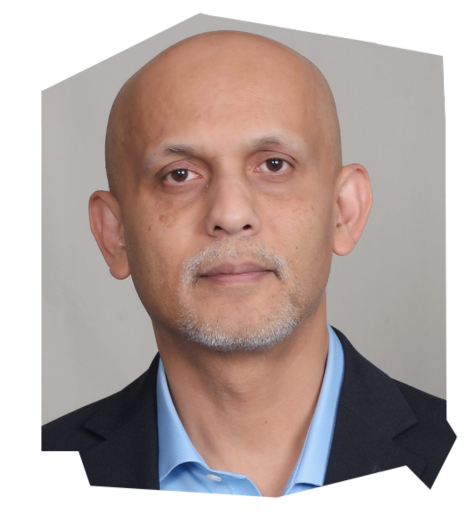 CISO & VP, Information Security & Risk Management, Bright HorizonsRegistration Level:
- Open Sessions
11:10 am - 11:45 amLocation / Room: 202North Korea (DPRK) has weaponized remote work and has been infiltrating IT workers into U.S. and European companies. They are generating revenue for the rogue state, stealing intellectual property and cryptocurrency, and compromising infrastructure for future ransomware extortion. Join this session for key TTPs of this insider threat and mitigation strategies.
Focus Areas: Global Workforce Risk; State-Sponsored Financial Crime; Fraudulent Identity & Recruitment Vetting
11:10 am2026 State of Cybersecurity and the Reality of Modern Cyber ThreatsFocus Areas: Low-Friction Social Engineering; Scalable Extortion & Ransomware Trends; AI as a Force Multiplier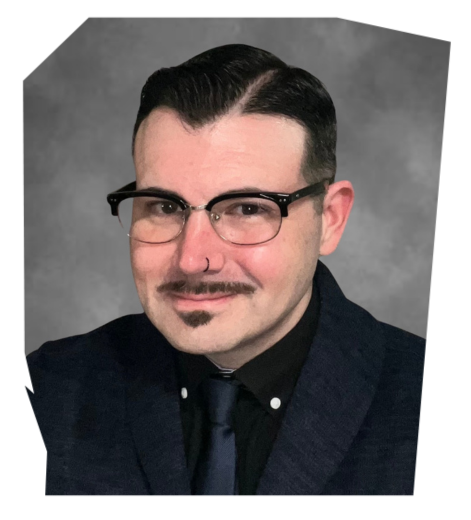 Field CTO, Arctic WolfRegistration Level:
- Open Sessions
11:10 am - 11:45 amLocation / Room: 208The past year revealed a startling trend: cybercriminals are keeping it simple and succeeding. Phishing, vishing, and AI-driven attacks are fueling a surge in breaches, while ransomware tactics are shifting dramatically. What does this mean for 2026?Join this session as we review recent threat research to uncover: the industries most targeted by ransomware, the social engineering tactic dominating 85% of IR cases, and how AI weaponization is likely to impact global events. With new data sourced from hundreds of real IR engagements; this session delivers a clear-eyed look at how today’s attacks unfold in modern environments, and which foundational controls are proving most effective at stopping them.11:10 am[Panel] The Human Layer: Insider Risk, Behavioral Analytics, and the AI Threat Multiplier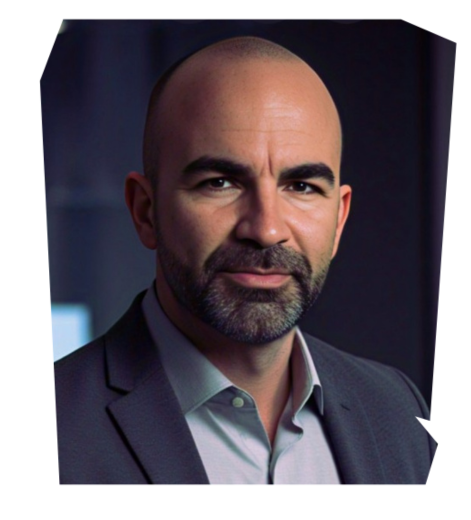 Director of Governance & Compliance, Risk Advisory Services, AccessIT Group
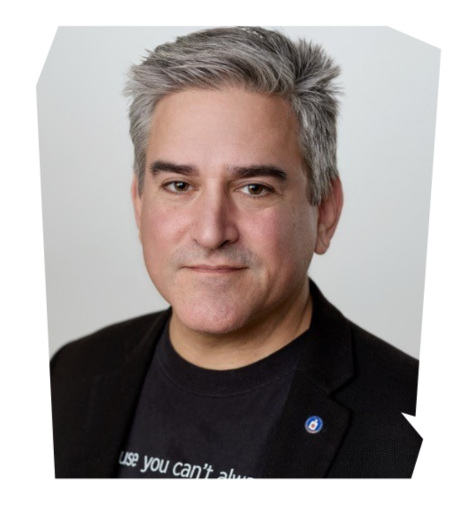 Global Director, AI/ML Fraud Strategy and GTM, Splunk, a Cisco company
 Sales Engineer , Delinea
 Sr. Principal Sales Engineer, Ping Identity
 Registration Level:
- Open Sessions
11:10 am - 11:45 amLocation / Room: 210People have always been the most targeted layer in any organization’s security posture—but AI is rewriting the rules of engagement. Sophisticated phishing campaigns now arrive personalized at scale, deepfake audio and video are eroding the credibility of internal communications, and MFA fatigue attacks are turning security controls against the users they were designed to protect. The threat surface hasn’t changed, but the speed, precision, and plausibility of attacks targeting it have.
At the same time, defenders are gaining new tools. Behavioral analytics and UEBA platforms are surfacing anomalies that static rules would miss, and AI-assisted policy frameworks are helping organizations govern workforce behavior—including how employees interact with AI tools themselves—without sacrificing productivity. This panel brings together practitioners navigating insider risk, identity-based threats, and the governance questions that arise when the line between human error and AI-augmented deception becomes increasingly hard to draw.
11:45 amNetworking BreakRegistration Level:- Open Sessions
11:45 am - 12:00 pmLocation / Room: Networking HallVisit the Networking Hall to network with attendees and connect with our supporting solution providers and association partners.
12:00 pm[Lunch Keynote] The Intersection of Cyber Incident Response, Regulatory Compliance, and Enforcement in a Rapidly Evolving Threat EnvironmentFocus Areas: Regulatory Compliance & Enforcement; Incident Response Strategy; Cyber Liability & Legal Risk Chief, Securities, Financial and Cyber Fraud Unit, U.S. Attorney's Office for the District of Massachusetts
 Cybersecurity Leader and Executive Director of FormerGov; Former Cybercrime Prosecutor and National Coordinator for Cybercrime Prosecutors Across U.S.
 Assistant Attorney General; Chief, Privacy and Responsible Technology Division, Massachusetts Office of the Attorney General
 ModeratorPartner & Chair - International Trade, National Security, Cybersecurity & AI, Hinckley Allen; Former National Security Chief, U.S. Attorney’s Office for the District of MassachusettsRegistration Level:
- Open Sessions
12:00 pm - 12:45 pmLocation / Room: Keynote TheaterOur panel of experts discusses bridging the critical gap between corporate legal strategy, operational security, and law enforcement intervention. Panelists have expertise in cybersecurity compliance issues and the increasing liability risks associated with failing to comply with U.S. data security requirements, including under the False Claims Act, as well as cyber incident response, cyber threats, and increasing enforcement actions by state AGOs.
12:00 pmAdvisory Council Roundtable Lunch (VIP / Invite only)Cloud Resilience for the AI Era Registration Level:
- VIP / Exclusive
12:00 pm - 12:45 pmLocation / Room: 206As enterprises scale AI, the explosion of cloud data has created a massive security gap. Fragmented tools and expanding attack surfaces make traditional and native protection insufficient for modern threats. The key to withstanding the next evolution of cyber threats is a unified platform for hybrid and multi-cloud environments to recovery up to 100x faster.
Join this closed-door, invitation-only, peer-to-peer discussion to learn insights and practical strategies for achieving total cloud resilience in the AI era. This open forum exchange explores:
- What does it take to plan for true cloud resilience in the AI era?
- When your cloud is breached, how long will your business be down?
- How do you manage the complexity of sprawling environments?
- What tools do you have for ensuring a fast, clean and reliable recovery?
- What emerging best practices are shaping the future for achieving cloud resilience?
Generously sponsored by:
 12:45 pmNetworking Break & Cyber ConnectAsk Follow-up Questions of the Lunch Keynote PanelistsChief, Securities, Financial and Cyber Fraud Unit, U.S. Attorney's Office for the District of MassachusettsCybersecurity Leader and Executive Director of FormerGov; Former Cybercrime Prosecutor and National Coordinator for Cybercrime Prosecutors Across U.S.Assistant Attorney General; Chief, Privacy and Responsible Technology Division, Massachusetts Office of the Attorney GeneralModeratorPartner & Chair - International Trade, National Security, Cybersecurity & AI, Hinckley Allen; Former National Security Chief, U.S. Attorney’s Office for the District of MassachusettsRegistration Level:
- Open Sessions
12:45 pm - 1:10 pmLocation / Room: Networking HallAfter the lunch keynote panel with Seth, Brian, Jared, and Stephanie, please join them in the Networking Hall for follow-up questions.
1:10 pmBuilding Cybersecurity Resilience for Small Businesses: State Programs and Practical ToolsFocus areas: Small Business Resilience & Funding; Security Foundations & Baselines: Interactive Security Training Outreach Program Manager, MassCyberCenter
 Sr. Program Manager, MassCyberCenterRegistration Level:
- Conference Pass
1:10 pm - 1:45 pmLocation / Room: 207Representatives from the MassCyberCenter lead an informative session on how small businesses in Massachusetts can strengthen their cybersecurity posture with the help of state-supported programs and resources. Learn about the minimum cybersecurity baseline recommended for small businesses, explore available state initiatives and funding opportunities, including the MassCyberCenter’s Security Operations Center / Cyber Range Initiative and the Cyber Resilient Massachusetts Grant Program, and discover engaging tools like the Cybersecure: Defend the Network card game that make learning cyber defense strategies interactive and fun. This session is designed to empower small businesses with practical steps and accessible resources to protect their operations and thrive in today’s digital landscape.
1:10 pmHelp Desk & Hiring: Closing the Workforce Identity Gap Attackers ExploitFocus Areas: Securing the Help Desk: Account Recovery; Advanced Verification CMO, imper.aiRegistration Level:
- Open Sessions
1:10 pm - 1:45 pmLocation / Room: 208Attackers are no longer breaking authentication, they’re bypassing it by targeting the human workflows around identity. Help desk account recovery and remote hiring processes have become prime entry points for impersonation, account takeover, and workforce infiltration.
This session examines the workforce identity gap: the blind spot between authentication and verifying the real human behind high-risk interactions. Learn about workforce identity verification and how to detect attacker-controlled environments and confirm the legitimacy of the employee during critical lifecycle moments like hiring, onboarding, and account recovery. Hear real-world examples of how to stop impersonation before credentials are issued or accounts are taken over.
1:10 pm[Panel] The Velocity of Trust: Orchestrating Resilience Across the Identity, Cloud, and Data FrontierFocus Areas: Unified Cloud Fabric; Converging CSPM, CIEM, and DSPM; Identity-First Perimeter; Social Engineering; Behavior-Based Insider Risk Management Director of Insider Risk Management, EchoMark
 Director, Solutions Engineering, F5
 Head of Partner Solutions, SecurityScorecard
 Sr. Sales Engineer, Wallarm
 Registration Level:
- Open Sessions
1:10 pm - 1:45 pmLocation / Room: 210As organizations hurtle toward an AI-integrated, cloud-native future, the traditional “perimeter” has been replaced by a chaotic web of human and non-human entities. Today’s threat landscape is defined by a dangerous convergence: attackers are weaponizing deepfakes and synthetic phishing to bypass legacy defenses, while the explosion of SaaS Sprawl and Data Sprawl creates a target surface that is increasingly invisible to the SOC. In this environment, “logging in” has officially replaced “breaking in,” making the governance of every identity—and every byte of data—the new mandate for survival.
This panel brings together veteran security architects and CISOs to dissect the move from fragmented tooling to a unified, identity-centric defense architecture. We will explore how to harmonize CSPM, CWPP, CIEM, and DSPM into a cohesive cloud security fabric that can detect AI-Driven Misconfigurations in real-time. Our experts will dive into the practical application of Zero Trust for Cloud and SSE/SASE frameworks to secure a workforce that is now targeted by Cross-Channel Social Engineering and MFA Fatigue campaigns.
Beyond external threats, we will tackle the complexity of the “Internal Frontier.” By leveraging UEBA (User and Entity Behavior Analytics) and Workforce Behavior insights, panelists will discuss how to mitigate Insider Risks without stifling the velocity of DevSecOps pipelines. Attendees will walk away with a strategic roadmap for implementing Privileged Access Governance, ironclad DLP, and Privacy Guardrails that protect the organization’s most valuable intellectual property in a world of instant, AI-driven replication.
1:45 pmNetworking Break & Cyber ConnectPutting the Pieces Together Wrap-up - Join this bonus session in the Networking HallRegistration Level:- Open Sessions
1:45 pm - 2:10 pmLocation / Room: Networking HallCome check out the progress of the “Putting the Pieces Together” project, featuring a 1,000-piece jigsaw puzzle of Boston. Come by the puzzle, near the ISACA booth in the Networking Hall, and see the completed puzzle (if it’s done); or help try to finish the job. Tom Hart will then review the key takeaways from puzzle participants captured throughout the day. Join the conversation.
2:10 pmBehind the Prompt: A CISO's Practical AI JourneyFocus Areas: Practical AI Implementation; Security Operations Automation; Leadership Perspectives CISO, Executive Office of Economic Development, Commonwealth of MassachusettsRegistration Level:
- Conference Pass
2:10 pm - 2:45 pmLocation / Room: 208AI isn’t just a buzzword — it’s become a practical tool in everyday life. In this session, cybersecurity leader Mark Annati shares how he uses AI both professionally and personally, from automating policy work and streamlining threat analysis to planning trips and solving real-world problems at home. With relatable examples, lessons learned, and a focus on what works (and what doesn’t), this talk offers a grounded perspective on AI’s role in modern cybersecurity and beyond — accessible to both technical and non-technical audiences.
2:10 pmSecurity and AI: Friends and FoesFocus Areas: Agentic AI; Model Context Protocol (MCP) Security; Vibe Coding; AI-Assisted Defense: Scaling Penetration Testing and Code Review Principal Engineer, Application Security, CarGurusRegistration Level:
- Conference Pass
2:10 pm - 2:45 pmLocation / Room: 207LLMs and AI-powered applications are reshaping application security. They introduce new risks, but they also give security engineers powerful new capabilities.
This presentation covers the emerging threat landscape created by AI adoption (including MCPs, agentic AI, LLM-integrated systems, and vibe coding), and the new security failure modes that come with them. It also explores how AI can strengthen security programs through faster, higher-signal code reviews, more scalable penetration testing, and other AI-assisted techniques that improve coverage and resilience.2:10 pm[Panel] The Great Consolidation: Rationalizing the Security StackFocus Areas: Security Stack Consolidation; SecOps Efficiency & ROI; Unified Detection & Response (XDR/SIEM Integration) Sr. Sales Engineer, Reach Security
 Principal Software Engineer, Chainguard
 VP, Cloud Security, ColorTokens
 Global Principal Solutions Architect - Cyber Intelligence & Risk, Google Cloud
 Registration Level:
- Open Sessions
2:10 pm - 2:45 pmLocation / Room: 210Security teams are under increasing pressure to reduce tool sprawl, streamline SOC workflows, and demonstrate measurable ROI—fueling a wave of consolidation across the industry. This panel explores the shift toward unified detection and response platforms, integrated identity and data controls, AI-enabled SOC copilots that unify telemetry, and architectural simplification that reduces operational drag.
Panelists from XDR, SIEM, platform security, and MSSP providers will discuss frameworks for evaluating ROI, navigating contract consolidation, avoiding visibility gaps, and deciding where consolidation strengthens or weakens security posture. Ideal for leaders facing budget constraints or platform migrations, this session offers practical guidance for optimizing spending without sacrificing coverage.
2:45 pmDash for PrizesRegistration Level:- Open Sessions
2:45 pm - 3:15 pmLocation / Room: Networking HallParticipating sponsors will announce their Dash for Prizes winners. Must be present to win.
3:15 pm[PLUS Course] Protecting AI Systems from Malicious Cyber Attacks - Part 4Registration Level:- SecureWorld Plus
3:15 pm - 4:45 pmLocation / Room: 204Upon completion of this course, attendees will have an up-to-date understanding of how AI works, AI implementation options, AI threats and vulnerabilities, AI security controls standards, best practices for building an AI security program, and assessing risks assessing AI security risks. The course covers technical security controls applied to AI systems and underlying infrastructure before, during, and after a cyberattack. Finally, administrative security capabilities, including AI governance, risk management, compliance, and audit considerations will be discussed.
Today’s companies develop, deploy, access AI applications and workloads through many computing environments including public cloud, private cloud, multi-cloud, hybrid cloud, and on-premises. These AI implementations and operations involve the risk of one or more cyberattacks that target the AI systems directly (model tampering, agent manipulation, data poisoning, GPU runtime exploits, etc.) or target the underlying infrastructure (public cloud, private cloud, on-premises, etc.) where the AI systems reside. The various development and deployment solutions make securing high-risk AI systems a challenge. A comprehensive AI cybersecurity program should account the various of development / deployment / operations scenarios.
The objective of this class is to help organizations design, develop, build, and manage high-risk AI systems and the underlying cloud, multi-cloud, hybrid cloud, on-premises environments that support AI systems throughout design, development, deployment, and operations. The course deliverables are grouped into six modules which cover key topics related to building a highly effective AI Security Program.
Module 1: What is Artificial Intelligence (AI) and how does AI work?
Includes an overview of Artificial Intelligence (AI) including how AI works (applications and workloads), AI architecture, components, and processes (models, algorithms, workflows). Module 1 includes topics such as AI Models (Generative AI, Large Language Models (LLMs), foundation models), and Multi-Agent Systems (MAS). A review of AI Use Cases across multiple industry sectors is included.
Module 2: AI Cloud Adoption Frameworks (CAFs)
An AI Cloud Adoption Framework (CAF) provides a structured approach to adopting AI solutions effectively and responsibly. It is designed to guide organizations through the process of implementing AI workloads ensuring scalability, security, and operational excellence. Topics include developing, deploying, and securing AI solutions in Microsoft Azure Cloud, Amazon Web Services (AWS), Google Cloud Platform (GCP) and Oracle Cloud Infrastructure (OCI). Deployment models include IaaS (bring your AI), PaaS (build your AI), and SaaS (buy your AI).
Module 3: AI threats and Vulnerabilities
AI Threats include those related to AI models, the data such models are trained and tested on, the third-party components, plug-ins, and libraries utilized in their development, as well as the platform models are hosted on. Topics include an overview of the FS-ISAC Adversarial AI Framework, MITRE ATLAS (a framework that provides adversary profiles, techniques, and mitigations for securing AI-enabled systems), and OWASP Agentic AI Threats. Module 3 also includes a discussion of AI vulnerabilities including data related vulnerabilities and model related vulnerabilities. Topics include the OWASP Top 10 for LLM Applications (2025) and the OWASP Top 10 for Agentic Applications (2026).
Module 4: AI security controls
Includes an overview of NIST SP 800-218A Secure Software Development Framework (SSDF) for AI, the Google Secure AI Framework (SAIF), the OWASP AI Security and Privacy Guide, and the Cloud Security Alliance AI Controls Matrix (AICM). NIST SP 800-218A provides secure software development practices specifically for generative AI and dual-use foundation models. The Google Secure AI Framework (SAIF) provides guidance for securing AI systems, including the SAIF Risk Self-Assessment to help build and deploy AI systems securely. The OWASP AI Security and Privacy Guide provides clear and actionable insights on designing, creating, testing, and procuring secure and privacy-preserving AI systems. The AI Controls Matrix (AICM) is a comprehensive framework developed by the Cloud Security Alliance (CSA) to help organizations align their AI practices with international standards and regulations.
Module 5: Building an AI Security Program
This module focuses on building a comprehensive AI security program to protect AI systems (in development and in production) as well as a security program for the underlying multi-cloud / hybrid-cloud solution. NIST SP 800-18 Rev. 2 Developing Security, Privacy, and Cybersecurity Supply Chain Risk Management Plans for Systems outlines the essential components of a System Security Pan (SSP), which documents security requirements for a system and describes the controls in place or planned to meet those requirements. NIST SP 1800-35 Implementing a Zero Trust Architecture, which includes a discussion on enabling secure authorized access to enterprise resources distributed across on-premises and multiple cloud environments. Module 5 also includes is a summary of NIST practices for Assessing Risks and Impacts of AI (ARIA) which supports three evaluation levels: model testing, red-teaming, and field testing.
Module 6: AI governance, AI risk management, AI compliance, AI audit
This module Includes an overview of AI Governance, Compliance and AI Audit requirements. AI governance includes processes, standards and guardrails that help ensure AI systems and tools are safe and ethical. Includes an overview of NIST-AI-600-1, Artificial Intelligence Risk Management Framework: Generative Artificial Intelligence Profile and companion document AI RMF Playbook. The profile helps organizations identify unique risks posed by generative AI and proposes actions for generative AI risk management that best aligns with their goals and priorities. AI compliance refers to the decisions and practices that enable businesses to stay in line with the laws and regulations that govern the use of AI systems. AI audit requirements focus on ensuring transparency, accountability, and compliance in AI systems.
3:15 pm[PLUS Course] Master the NIST Cybersecurity Framework v2.0 in Just Six Hours - Part 4Registration Level:- SecureWorld Plus
3:15 pm - 4:45 pmLocation / Room: 201This intensive, live workshop is your shortcut to cyber resilience mastery. In just one power-packed day, you’ll walk away with:
- Complete mastery of NIST CSF 2.0 – Understand every component and why it matters to YOUR business
- Your personalized Cyber Risk Map – Identify your organization’s exact vulnerabilities and blind spots
- A step-by-step action plan – No more guessing what to do next
- Real-world case studies – See how organizations just like yours have successfully implemented the framework
- Expert-level confidence – Finally speak cybersecurity with authority and clarity
What makes this different?
This isn’t another theoretical lecture. You’ll spend most of your time actually BUILDING your organization’s cybersecurity roadmap using the proven Cyber Risk Management Action Plan (CR-MAP) methodology. You’ll leave with tools and know-how you can implement immediately.Perfect for:
- IT Directors and Managers
- Cybersecurity Professionals
- Business Leaders responsible for risk management
- Compliance Officers
- Anyone tasked with “figuring out cybersecurity”
Exclusive Bonus: Every attendee receives our comprehensive digital CR-MAP Online Workbook ($197 value), your step-by-step guide to:
- Getting BUY-IN from your senior decision makers
- Discovering your top five cyber risks
- Creating a prioritized risk mitigation plan with implementation roadmap
- A score card you can use to track progress
Warning: This live, in-person intensive has limited seating. Don’t let another cyber incident catch your organization unprepared.
Your organization’s cybersecurity can’t wait. Register now.

 1KosmosBooth: 245
For strong authentication, you need a strong identity. Upgrade identity authentication & Go Passwordless with the 1Kosmos digital identity solution.
 Abnormal AIBooth: 317
Abnormal AI is the leading AI-native human behavior security platform, leveraging machine learning to stop sophisticated inbound attacks and detect compromised accounts across email and connected applications. The anomaly detection engine leverages identity and context to understand human behavior and analyze the risk of every cloud email event—detecting and stopping sophisticated, socially-engineered attacks that target the human vulnerability.
You can deploy Abnormal in minutes with an API integration for Microsoft 365 or Google Workspace and experience the full value of the platform instantly. Additional protection is available for Slack, Workday, ServiceNow, Zoom, and multiple other cloud applications. Abnormal is currently trusted by more than 3,200 organizations, including over 20% of the Fortune 500, as it continues to redefine how cybersecurity works in the age of AI.
 AccessIT GroupBooth: 400
AccessIT Group is your partner in cybersecurity. Our talented team of security experts deliver customized solutions designed to protect your systems and information from increasing security threats. From design and implementation to cybersecurity compliance and training, we provide a single point of contact for all your security needs.
AccessIT Group seeks to differentiate itself by offering a higher level of expertise from engineers and sales staff, all of whose knowledge was derived from real life enterprise deployments. These values have helped AccessIT Group grow to become the first-choice cyber security provider in our region. Today, AccessIT Group maintains sales and service offices in King of Prussia, PA, Mountain Lakes, NJ, New York, NY, Columbia, MD, and Boston, MA.
 Action1Booth: 426
Action1 reinvents patch management with an infinitely scalable and highly secure platform configurable in 5 minutes that just works. With integrated real-time vulnerability discovery and automated remediation for both third-party software and OS, peer-to-peer patch distribution, and IT ecosystem integrations, it ensures continuous patch compliance and reduces security and ransomware risks—all while lowering costs. Action1 is certified for SOC 2/ISO 27001 and is trusted by thousands of enterprises managing millions of endpoints globally.
 Akamai TechnologiesBooth: 275
Akamai powers and protects life online. Leading companies choose Akamai to build, deliver, and secure digital experiences. With the most distributed compute platform—cloud to edge—customers can build modern apps while keeping experiences closer to users and threats farther away. Learn about Akamai’s security, compute, and delivery solutions at akamai.com.
 AnzennaBooth: 165
Anzenna provides advanced security solutions that streamline the investigation of identity threats by integrating multiple security tools and reducing the need for extensive manual operations.
 AppOmniBooth: 200
AppOmni SaaS security helps security and IT teams protect and monitor their entire SaaS environment, from each vendor to every end-user.
 Arctic Wolf NetworksBooth: 610
Arctic Wolf Networks provides SOC-as-a-service that is redefining the economics of security. The AWN CyberSOC™ service is anchored by Concierge Security™ teams and includes 24×7 monitoring, custom alerting, and incident investigation and response. There is no hardware or software to purchase, and the end-to-end service includes a proprietary cloud-based SIEM, threat intelligence subscriptions and all the expertise and tools required. For more information about Arctic Wolf, visit https://www.arcticwolf.com.
 Armis, IncBooth: 400
Armis is the first agentless, enterprise-class security platform to address the new threat landscape of unmanaged and IoT devices. Fortune 1000 companies trust Armis’ unique out-of-band sensing technology to discover and analyze all managed and unmanaged devices, analyze endpoint behavior to identify risks and attacks, and protect information and systems.
 Aspire Technology PartnersBooth: Espresso Cart
Founded in 2004, Aspire has built a highly-regarded reputation as a valued technology services firm specializing in the delivery of digital infrastructure solutions and managed services designed specifically to achieve our clients’ business goals. We believe technology sits at the heart of every successful enterprise strategy. We take time to understand your business initiatives and align technology solutions to drive the organization forward. Aspire’s outcome-driven approach accelerates your journey by combining secure digital infrastructure, world-class design and implementation expertise, and managed services—all centered around transforming today’s multi-cloud architectures into enablers of business value. Headquartered in Eatontown, New Jersey, Aspire is focused on serving the tri-state, mid-Atlantic, and New England regions with local operations in Mount Laurel, NJ; Conshohocken, PA; Albany and White Plains, NY.
 AxoniusBooth: 315
Axonius gives customers the confidence to control complexity by mitigating threats, navigating risk, automating response actions, and informing business-level strategy with solutions for both cyber asset attack surface management (CAASM) and SaaS management.
 Backslash SecurityBooth: 324
Backslash is the vibe coding security company. Our platform delivers visibility, governance, and real-time protection across AI developer environments—including modern IDEs and coding agents like Cursor, Claude Code, Gemini Code Assist, and GitHub Copilot. Backslash vets and monitors MCP (Model Context Protocol) servers, coding agents, and LLM integrations to enforce security best practices and regulatory compliance, proactively reducing risk and exposure. Enterprises across industries rely on Backslash to accelerate secure AI-powered development where software is mission-critical. For more information, visit https://backslash.security.
 BarracudaBooth: 427
At Barracuda we strive to make the world a safer place. We believe every business deserves access to cloud-first, enterprise-grade security solutions that are easy to buy, deploy, and use. We protect email, networks, data and applications with innovative solutions that grow and adapt with our customers’ journey. More than 200,000 organizations worldwide trust Barracuda to protect them—in ways they may not even know they are at risk—so they can focus on taking their business to the next level. For more information, visit barracuda.com.
 BforeAIBooth: 635
BforeAI is a cybersecurity company specializing in proactive threat prevention. Our PreCrime™ technology autonomously predicts, blocks, and preempts malicious campaigns before they impact your business. Our core services are Behavioral Analysis & Predictive Results: Our cutting-edge AI goes beyond reactive blocklists, predicting dangerous domains before they launch attacks. Our predictive security solution, Brand Protection identifies and takes down online impersonation threats, securing your brand from financial and reputational harm.
 Black DuckBooth: 529
Black Duck® offers the most comprehensive, powerful, and trusted portfolio of application security solutions in the industry. We have an unmatched track record of helping organizations around the world secure their software quickly, integrate security efficiently in their development environments, and safely innovate with new technologies. As the recognized leaders, experts, and innovators in software security, Black Duck has everything you need to build trust in your software. Learn more at www.blackduck.com.
 BlinkOpsBooth: 328
Automate all things security in the Blink of AI.
BlinkOps is a security workflow automation platform designed to make building, collaborating, and scaling all things security & beyond effortless.
Whether you prefer code, low-code, or no-code, BlinkOps has you covered. Easily drag and drop the actions you want into a workflow, leveraging the over 30,000 actions available in the automation library, or use Blink Copilot™ to generate a workflow with a natural language prompt.
Use BlinkOps as an automation hub, where security teams go to quickly develop, collaborate, and automate their security ideas. Leverage the platform’s 8,000+ workflows that come out-of-the-box to quickly build workflows for real-time remediation. Generate automation workflows for standalone use cases or build an end-to-end proactive automation strategy, streamlining security responses across your entire organization.
 Blue MantisBooth: 330
Blue Mantis is a security-first IT solutions and services provider with a 30+ year history of successfully helping clients achieve business modernization by applying next-generation technologies including managed services, cybersecurity and cloud. Headquartered in Portsmouth, New Hampshire, the company provides digital technology services and strategic guidance to ensure clients quickly adapt and grow through automation and innovation. Blue Mantis partners with more than 1,500 leading mid-market and enterprise organizations in a multitude of vertical industries and is backed by leading private equity firm, Recognize. For more information about Blue Mantis and its services, please visit www.bluemantis.com.
 BrinqaBooth: 250
Make security chaos work for you with AI-powered Exposure Management, built on data. The Brinqa platform delivers scalable, AI-driven exposure management that unifies every data source for a complete picture of risk. Separate false alarms from real risk by uniting Security and IT, accelerating remediation, and delivering a single, trusted source of truth for the business.
 Canary TrapBooth: 120
Canary Trap is a recognized industry leader in offensive security, security advisory and assessment services. Founded by ethical hackers and certified security experts who share in the common goal of protecting organizations from becoming a victim of the next cyber-attack.
Canary Trap combines human expertise with sophisticated tools and, where appropriate, threat intelligence to ensure a thorough, in-depth approach to all security testing and assessments.
 ChainguardBooth: 332
Chainguard Images provide the building blocks for a secure software supply chain. Leverage container images that have cryptographic signatures, SBOMs, SLSA provenance, and more to help meet compliance and prevent supply chain attacks.
 Check Point Software TechnologiesBooth: 419
Check Point Software Technologies is a leading provider of cybersecurity solutions to governments and corporate enterprises globally. Its solutions protect customers from 5th generation cyber-attacks with an industry leading catch rate of malware, ransomware, and other types of attacks. Our solutions offer multilevel security architecture, “Infinity” Total Protection with Gen V advanced threat prevention.
 Clarity SecurityBooth: 145
Clarity Security makes identity governance autonomous, intelligent, and effortless. Powered by attribute-based access control, we automate user access reviews and every aspect of identity lifecycle management—saving time, cutting cost, reducing risk, and turning IT into a business enabler.
 Cloud Security Alliance Boston Chapter
The Cloud Security Alliance (CSA) is the world’s leading organization dedicated to defining and raising awareness of best practices to help ensure a secure cloud computing environment. CSA harnesses the subject matter expertise of industry practitioners, associations, governments, and its corporate and individual members to offer cloud security-specific research, education, certification, events, and products. CSA’s activities, knowledge, and extensive network benefit the entire community impacted by cloud — from providers and customers, to governments, entrepreneurs, and the assurance industry — and provide a forum through which diverse parties can work together to create and maintain a trusted cloud ecosystem. CSA Boston holds meetings on a variety of topics directly related to cloud security.
 Cogent SecurityBooth: 420
Cogent is an applied AI lab building AI systems for enterprise cybersecurity teams. We focus on cybersecurity because it affects everyone—the reliability of the services we use, the privacy of our data, and the safety of the organizations we depend on. Our mission is to prevent breaches using autonomous AI systems that continuously secure systems against AI-armed adversaries operating at machine speed. Founded by researchers and operators from Google DeepMind, Abnormal Security, and Coinbase. Backed by Greylock Partners.
 ColorTokensBooth: 565
ColorTokens, the premier enterprise microsegmentation provider, specializes in making organizations “breach ready” by halting the lateral spread of ransomware and malware within intricate network infrastructures using its innovative ColorTokens Xshield™ platform. The platform visualizes traffic patterns between workloads, devices, and users, enabling organizations to enforce granular micro-perimeters, swiftly isolate critical assets, and respond to breaches effectively. Recognized as a Leader in the Forrester Wave™: Microsegmentation Solutions, Q3 2024 evaluation, ColorTokens safeguards businesses by thwarting ransomware and malware attacks, ensuring significant savings in potential disruptions. For more information, visit www.colortokens.com.
 Comcast BusinessBooth: 229
Comcast Business offers a broad suite of technology solutions to keep businesses of all sizes ready for what’s next. With a range of offerings including connectivity, secure networking, advanced cybersecurity, and unified communications solutions, Comcast Business is partnering with business and technology leaders across industries to help drive businesses forward.
 CompylBooth: 550
Eliminate the need for multiple security tools, gain enterprise-level insights, and grow with a scalable GRC ecosystem. Compyl monitors and assigns workflows in a single location to ensure regulatory requirements and IT frameworks are continuously met by establishing a proper information security foundation across the entire organization.
 Concentric AIBooth: 345
Concentric AI is intelligent data security made easy. Its Semantic Intelligence™ platform uses context-aware AI to discover sensitive data, monitor risks, automate remediation, simplify compliance, and accelerate investigations. It delivers smart, targeted protection by understanding how data is used, shared, and exposed. Concentric AI also offers managed services to keep security programs lean, scalable, and effective. This end-to-end platform protects data at rest, data in motion, and all the GenAI tools users interact with—so organizations can stay compliant, reduce exposure, and safeguard critical information wherever it lives and however it travels.
 Control DBooth: 630
ControlD is a fully customizable DNS service that allows you to not only block annoyances like malware, tracking, ads or IoT telemetry, but also unblock over 200 services through a network of servers in over 100 cities. All without any apps to install.
 CrowdStrikeBooth: 270
CrowdStrike sets the standard for cybersecurity in the cloud era. The CrowdStrike Falcon® platform protects and enables the people, processes, and technologies that drive modern enterprise, delivering superior protection, better performance, reduced complexity, and immediate time-to-value. CrowdStrike secures the most critical areas of enterprise risk—endpoints and cloud workloads, identity, and data—to keep organizations ahead of today’s adversaries and stop breaches.
 CybleBooth: 140
Cyble provides capabilities for customers to manage cyber risks with AI powered actionable threat intelligence. We are specialists in gathering intelligence across the Deepweb, Darkweb, and the Surface Web.
 CyeraBooth: 305
Cyera is the data security company that gives businesses context and control over their most valuable asset: data. As a pioneer in Data Security Posture Management, Cyera instantly provides companies visibility over their sensitive data, context over the risk it represents and their security exposure, and automated remediation to reduce the attack surface and ensure operational resilience. We are redefining the way companies secure their data. Learn more at cyera.io.
 DarktraceBooth: 323
Darktrace is a global leader in AI cybersecurity that keeps organizations ahead of the changing threat landscape every day. Founded in 2013 in Cambridge, UK, Darktrace provides the essential cybersecurity platform to protect organizations from unknown threats using AI that learns from each business in real-time. Darktrace’s platform and services are supported by 2,400+ employees who protect nearly 10,000 customers globally.
To learn more, visit https://www.darktrace.com DeleteMeBooth: 325
DeleteMe reduces business risk from threats such as social engineering, doxxing, and online harassment by continuously removing executive and employee personal data from online sources. With 35+ million individual pieces of personal data removed since 2010, DeleteMe is the trusted privacy partner to some of the world’s most recognizable brands. Personal data is dangerous. Delete it.
 DeepSeasBooth: 400
With 30 years of experience in cyber defense, DeepSeas is trusted by nearly 1,000 clients around the world, including Fortune 100 enterprises and mid-market organizations, municipality and local governments, higher education, and federal agencies. DeepSeas partners with clients to prepare for, prevent, and protect against increasingly sophisticated and dangerous cyber threats. In addition to a full suite of advisory, compliance, and testing services to support clients on their cybersecurity transformation journeys, our industry-leading MDR solution – DeepSeas MDR+ – combines the data, scale, and automation from the DeepSeas Cyber Defense Platform with world-class analysts, engineers, and incident responders to cut through the noise and deliver timely, relevant, and validated threat notifications that have bypassed a client’s controls. DeepSeas MDR+, is the first and only MDR solution that covers the entire converged attack surface, including OT, IT, cloud, and mobile for both enterprise and mid-market organizations. Known for its programmatic approach to continuously transforming cyber defense programs, DeepSeas is recognized as a top 40 MDR provider by Gartner and a top 5 leader in the 2024 Frost Radar™: Global Managed Detection and Response (MDR) Market.
 DelineaBooth: 520
Delinea is a leading provider of privileged access management (PAM) solutions that make security seamless for the modern, hybrid enterprise. Our solutions empower organizations to secure critical data, devices, code, and cloud infrastructure to help reduce risk, ensure compliance, and simplify security. Delinea removes complexity and defines the boundaries of access for thousands of customers worldwide. Our customers range from small businesses to the world’s largest financial institutions, intelligence agencies, and critical infrastructure companies.
 DrataBooth: 215
Replace manual GRC efforts, reduce costs, and save time preparing for audits and maintaining compliance. Drata is the world’s most advanced security and compliance automation platform with the mission to help companies earn and keep the trust of their users, customers, partners, and prospects. We help thousands of companies streamline compliance for SOC 2, ISO 27001, HIPAA, GDPR, your own custom frameworks, and many more through continuous, automated control monitoring and evidence collection. Drata is backed by ICONIQ Growth, Alkeon, Salesforce Ventures, GGV Capital, Okta Ventures, SVCI (Silicon Valley CISO Investments), Cowboy Ventures, Leaders Fund, Basis Set Ventures, SV Angel, and many key industry leaders. Drata is based in San Diego, CA with team members across the globe.
 Dropzone AI + CBTSBooth: 424
Dropzone AI weaponizes LLMs for cyber defenders, delivering the Agentic SOC: AI agents that collaborate 24/7 to beat attackers at scale. Dropzone is ready to go on Day 1 and integrates into your existing tools. AI agents start work immediately to investigate alerts, respond to emerging threats, and proactively hunt attackers. Autonomously and infinitely scalable, with no hidden humans in the critical path. Dropzone works with enterprises and MSSPs including ECS, Avalara, UiPath, and Zapier, and is actively protecting over 300 companies. Learn more at www.dropzone.ai.
CBTS (#44 CRN Solution Provider 500) serves enterprise and midmarket clients in all industries across North America. We combine deep technical expertise with a full suite of flexible technology solutions—including Application Modernization, Managed Hybrid Cloud, Cybersecurity, Digital Workplace, and Infrastructure solutions. From developing and deploying modern AI-enabled applications and the secure, scalable infrastructure platforms on which they run, to managing, monitoring, and optimizing their operations, we are your trusted partner. For more information, visit cbts.com.
 EchoMarkBooth: 320
Enterprise Software as a Service (SaaS) startup providing innovative information security and privacy products to enable the seamless flow of private information.
 EchoStor TechnologiesBooth: 105
EchoStor Technologies is a leading information technology solutions provider focusing on enterprise storage, virtualization and data protection.
We offer products from industry leading manufactures integrated with EchoStor professional services.
Headquartered in New England, our highly skilled sales and technical teams have extensive experience and certifications with the latest storage and virtualization solutions. Our capabilities and broad services portfolio compels our manufacturer partners to utilize EchoStor’s bench of engineering resources for their customer engagements.
 ExabeamBooth: 155
Exabeam is a leader in intelligence and automation that powers security operations for the world’s smartest companies. As a global cybersecurity innovator, Exabeam provides industry-proven, security-focused, and flexible solutions for faster, more accurate threat detection, investigation, and response (TDIR). Cutting-edge technology enhances security operations center performance, optimizing workflows and accelerating time to resolution. With consistent leadership in AI innovation and a proven track record in security information and event management (SIEM) and user behavior analytics, Exabeam empowers global security teams to combat cyberthreats, mitigate risk, and streamline operations. Learn more at www.exabeam.com.
 ExpelBooth: 400
Expel provides transparent managed security, on-prem and in the cloud. It’s the antidote for companies trapped in failed relationships with their managed security service provider (MSSP) and those looking to avoid the frustration of working with one in the first place. To learn more, go to https://www.expel.io.
 ExtraHop Networks, Inc.Booth: 265
ExtraHop is a force multiplier for IT teams struggling with increasing complexity. With the ExtraHop platform, organizations can regain control over the security and performance of their applications and infrastructure, and capitalize on their data analytics opportunity to improve business operations and results. Learn more at www.extrahop.com
 F5Booth: 400
F5 provides solutions for an application world. F5 helps organizations seamlessly scale cloud, data center, telecommunications, and software defined networking (SDN) deployments to successfully deliver applications and services to anyone, anywhere, at any time. F5 solutions broaden the reach of IT through an open, extensible framework and a rich partner ecosystem of leading technology and orchestration vendors. This approach lets customers pursue the infrastructure model that best fits their needs over time. The world’s largest businesses, service providers, government entities, and consumer brands rely on F5 to stay ahead of cloud, security, and mobility trends
 FlareBooth: 310
Flare Systems enables financial institutions to prevent financial crime. Using AI and over 10 years of criminology research, it extracts actionable intelligence from millions of data points from the dark, deep and clear web in real time.
 FortinetBooth: 527
Fortinet (NASDAQ: FTNT) secures the largest enterprise, service provider, and government organizations around the world. Fortinet empowers its customers with intelligent, seamless protection across the expanding attack surface and the power to take on ever-increasing performance requirements of the borderless network—today and into the future. Only the Fortinet Security Fabric architecture can deliver security without compromise to address the most critical security challenges, whether in networked, application, cloud, or mobile environments. Fortinet ranks number one in the most security appliances shipped worldwide and more than 500,000 customers trust Fortinet to protect their businesses.
 GhostEyeBooth: 600
The human-centric security validation platform. GhostEye uses autonomous AI agents to continuously test how attackers exploit human vulnerabilities to compromise organizations. Just as red teams simulate technical attacks against infrastructure, we simulate sophisticated social engineering campaigns against people. Our multi-agent platform validates complete attack paths from initial social engineering to data exfiltration, providing security teams with actionable intelligence about their true human attack surface exposure before attackers find it.
 Google Cloud SecurityBooth: 130
Google Cloud Security provides organizations with leading infrastructure, platform capabilities and industry solutions to help them solve their most critical business problems. Google Cloud Security helps customers protect their global operations with solutions such as zero trust security, application and data protection, fraud prevention, and threat detection and response.
 Horizon3.aiBooth: 547
The NodeZero® platform empowers your organization to continuously find, fix, and verify your exploitable attack surface. Reduce your security risk by autonomously finding weaknesses in your network, knowing how to prioritize and fix them, and immediately verifying that your fixes work. NodeZero delivers production-safe autonomous pentests and other key assessment operations that scale across your largest internal, external, cloud, and hybrid cloud environments. No required agents, no code to write, and no consultants to hire.
We are a fusion of former U.S. Special Operations cyber operators, startup engineers, and formerly frustrated cybersecurity practitioners. We’re committed to helping solve our common security problems: ineffective security tools, false positives resulting in alert fatigue, blind spots, “checkbox” security culture, cybersecurity skills shortage, and the long lead time and expense of hiring outside consultants.
 HPEBooth: 329
Hewlett Packard Enterprise (HPE) is a global technology company that focuses on developing intelligent solutions for capturing, analyzing, and acting upon data. They operate in areas like networking, hybrid cloud, and AI, helping customers create new business models and improve operational performance.
 IllumioBooth: 560
Illumio is the leader in ransomware and breach containment, redefining how organizations contain cyberattacks and enable operational resilience. Powered by an AI security graph, our breach containment platform identifies and contains threats across hybrid multi-cloud environments–stopping the spread of attacks before they become disasters.
Recognized as a Leader in the Forrester Wave™ for Microsegmentation, Illumio enables Zero Trust, strengthening cyber resilience for the infrastructure, systems, and organizations that keep the world running.
 Imper.aiBooth: 510
imper.ai prevents AI-driven impersonation and social engineering by analyzing the device, network, and behavioral signals attackers can’t fake. Its real-time risk scoring and automated blocking verify every participant across voice, video, and chat before trust is established.
 InfobloxBooth: 615
Infoblox unites networking and security to deliver unmatched performance and protection for a world that never stops. By providing real-time visibility and control over who and what connects to the network, we use intelligent DNS and user context to stop threats other solutions will miss, enabling organizations to build safer, more resilient environments. We’re continually supporting more than 13,000 customers—including 92 of Fortune 100 companies, as well as emerging innovators—by building the brightest, most diverse teams and by thoughtfully engineering intelligent networking and security solutions for an increasingly distributed world.
 InfraGard BostonBooth: 237
InfraGard is a United States government (FBI) and private sector alliance. InfraGard Boston was developed by the Boston FBI office in 1998 to promote protection of critical information systems. InfraGard provides formal and informal channels for the exchange of information about infrastructure threats and vulnerabilities. The purpose of the synergistic exchange is to allow members to better protect themselves and their corporate interests while enhancing the ability of the United States government to provide national security.
 ISACA New England ChapterBooth: 180
The New England Chapter of ISACA® was founded in 1976. From the modest beginnings of its first meeting—which was held at Valle’s Steak House on Route 9 in Newton, Massachusetts—the chapter has grown to over 2000 members across four states (MA, NH, ME, VT).
The primary objective of the New England Chapter is to provide quality Information Systems audit and security-related education to support its members and their professional certifications.
 ISC2 Eastern MassachusettsBooth: 680
Advancing Information Security One Community at a Time
As anyone seriously involved in the information security profession can attest, peer networking is an invaluable resource. ISC2 Eastern Massachusetts Chapter provide members with the opportunity to build a local network of peers to share knowledge, exchange resources, collaborate on projects, and create new ways to earn CPE credits! IslandBooth: 100
What if the enterprise had complete control over the browser? What would it mean for security, for productivity, for work itself? Introducing Island, the Enterprise Browser—the ideal enterprise workplace, where work flows freely while remaining fundamentally secure. With the core needs of the enterprise naturally embedded in the browser itself, Island gives organizations complete control, visibility, and governance over the last mile, while delivering the same smooth Chromium-based browser experience users expect. Led by experienced leaders in enterprise security and browser technology and backed by leading venture funds—Insight Partners, Sequoia Capital, Cyberstarts and Stripes Capital—Island is redefining the future of work for some of the largest, most respected enterprises in the world.
 ISSA New EnglandBooth: 685
The Information Systems Security Association (ISSA) is an international organization providing educational forums, publications, and peer interaction opportunities that enhance the knowledge, skills, and professional growth of its members’ information security professionals. The primary goal of ISSA is to promote management practices that will ensure availability, integrity, and confidentiality of organizational resources.
Since its inception in 1982, ISSA’s membership has grown to include more than 100 chapters around the world with members who represent a diverse collection of organizations, including major U.S. and international corporations, leading consulting firms, world-class educational institutions, and government agencies. From EDP audit and corporate security to contingency planning and disaster recovery, ISSA members are committed to protecting their organizations’ assets and resources.
Visit the National Headquarter’s website at www.issa.org.
 K LogixBooth: 650
K logix is the leading information security company. We provide security consulting, technology solutions, and integration services to enterprise companies. Our experienced team and our established process help enterprise customers make confident security decisions that impact their business goals.
 KeysightBooth: 575
Keysight’s portfolio of network security solutions simulate threats, eliminate blind spots, taking control of a rapidly-changing attack surface. Be a hero, not a headline, by proving your network is secure simulating attacks, exposing gaps early, and course correct with step-by-step fixes; protecting users and applications with increased the efficiency, performance, and reliability of your security systems; patrolling every packet eliminating vulnerable blind spots and decrypt threats hiding in SSL traffic; and practice your cyber skills enhancing your security and attack response skills against real-world threats.
 LightbeamBooth: 220
LightBeam.ai, the zero trust data protection pioneer, converges and simplifies data security, privacy, and AI governance, so businesses can accelerate their growth in new markets with speed and confidence. Leveraging generative AI as a foundational technology, LightBeam ties together sensitive data cataloging, control, and compliance across structured, unstructured, and semi-structured data applications providing 360-visibility, risk remediation, and compliance with PCI, GLBA, GDPR, HIPAA among other regulations. Continuous monitoring with full data residency ensures ultimate zero-trust data protection. LightBeam is on a mission to create a secure privacy-first world.
 MassCyberCenterBooth: 665
The MassCyberCenter, launched in September 2017, strives to create a diverse, vibrant, and competitive Massachusetts cybersecurity ecosystem that enhances resiliency for public and private entities, provides workforce development opportunities, and elevates public cybersecurity awareness.
In 2022, the Massachusetts Legislature codified the establishment of the Center and confirmed its mission of convening the Massachusetts cybersecurity ecosystem to improve cybersecurity resiliency, workforce development, and public awareness within the Commonwealth by developing cutting edge programs, organizing engaging events, and leading collaborative working groups.
Cybersecurity encompasses the people, process, and technology that provide confidentiality, integrity, and availability of data and critical control systems that keep our Commonwealth running. The Center focuses its activities on balancing the core principles of cybersecurity: People, Process, and Technology.
 Material SecurityBooth: 655
Material Security uses ubiquitous tools in unexpected ways to understand and mitigate risk in cloud office apps. Material is known and loved in the security community for protecting cloud email at global media and financial conglomerates, large tech companies, and highly-targeted public sector organizations. The platform connects in minutes to Microsoft and Google environments to analyze risk, detect threats, automatically investigate incidents, and crowdsource mitigation with end-users via novel integrations with identity providers like Okta, Duo, Ping, and Microsoft Azure AD.
The company was started in response to the 2016 Election hacks, is backed by Andreessen Horowitz, and was recently valued at $1.1B. Material is single-tenant, can be deployed in the customer’s cloud, and Material personnel do not need access to customer data. Material also protects the personal accounts of high-risk VIPs.
 MetricStreamBooth: 239
MetricStream simplifies Governance, Risk, and Compliance (GRC) with purpose-built AI-first Risk, Compliance, Audit, CyberGRC, Third-party Risk, and Resilience products on a single low-code / no-code GRC cloud platform. Trusted by over 1 million GRC professionals across 35+ countries, our industry-specific products and AI agents help businesses successfully manage audits, avoid compliance violations and fines, reduce risk exposure, and strengthen resilience. MetricStream is headquartered in San Jose, California, with operations and offices around the globe.
 National Cybersecurity AllianceBooth: 170
Our alliance stands for the safe and secure use of all technology. We encourage everyone to do their part to prevent digital wrongdoing of any kind. We build strong partnerships, educate and inspire all to take action to protect ourselves, our families, organizations and nations. Only together can we realize a more secure, interconnected world.
 New England IT Security Consortium
Objective: The group will foster collaboration and knowledge sharing among IT security professionals by discussing challenges, trends, and opportunities around IT Security.
What to Expect:
- Engaging Discussions: This peer-to-peer forum will foster knowledge sharing among IT security professionals. We’ll discuss current challenges, emerging trends, and opportunities to optimize your security posture.
- Focus on Efficiency: The central topic will be “Making IT Security Spend More Efficient.” With many organizations facing budget constraints, we’ll explore strategies to maintain tight security while potentially reducing costs.
- Thought Leadership Participation: Active participation is encouraged! This is a space for thought leaders to share insights and develop collaborative
 NexumBooth: 645
Nexum, Inc. is a cybersecurity and networking company that builds and secures global networks for organizations across multiple verticals around the world. In addition to its Chicago headquarters, Nexum has sales, training and support presence in Kentucky, Michigan, New Hampshire, Ohio, and Wisconsin, as well as the Security and Network Operations Command Centers (SNOCC) in New Mexico and Illinois.
 NovacoastBooth: 210
A uniquely positioned IT services and solutions company, Novacoast is less defined by our broad range of expertise and services than by a perspective rooted in our cooperative environment of adaptable problem solving.
Beyond security specialists, software developers or network engineers, we are guides, allies, and problem solvers.
From implementation services, license fulfillment and technical training to software development, staffing services and custom or emerging solutions, Novacoast is an experienced and comprehensive IT business resource empowered on every level by our flexible and fearless perspective.
 One IdentityBooth: 225
One Identity delivers trusted identity security for enterprises worldwide to protect and simplify access to digital identities.
With flexible deployment options–from self-managed to fully managed–our solutions integrate seamlessly into your environment to strengthen your identity perimeter, protect against breaches and ensure governance and compliance. One Identity unifies identity governance and administration (IGA), privileged access management (PAM), and access management (AM) for security without compromise.
By unifying IAM tools, including identity governance and administration (IGA), access management (AM), privileged access management (PAM), and Active Directory management (AD Mgmt), it ensures optimal functionality and efficiency. This cohesive structure reduces identity sprawl and extends governance to the farthest endpoints of your IAM ecosystem.
Proven and trusted on a global scale, One Identity manages more than 500 million identities for more than 11,000 organizations worldwide. For more information, visit www.oneidentity.com.
 OpenText Inc.Booth: 555
OpenText delivers secure information management for AI, helping organizations organize, store, and protect their data.
We provide integrated solutions spanning analytics, business networks, content services, cybersecurity, DevOps, and IT management. Our cloud, security, and AI driven software accelerates enterprise growth and innovation. OpenText Cybersecurity safeguards critical data, identities, and applications with unified, AI ready protection across cloud and hybrid environments.
 P0 SecurityBooth: 110
P0 Security is helping companies modernize PAM for multi-cloud and hybrid environments with the most agile way to ensure least-privileged, short-lived and auditable production access for users, NHIs and agents. Centralized governance, just-enough-privilege and just-in-time controls deliver secure access to production, as simply and scalably as possible. Every identity. Every system. All the time.
P0’s Access Graph and Identity DNA data layer make up the foundational architecture that powers privilege insights and access control across all identities, production resources and environments. With P0, production access is least-privilege, short-lived and auditable by default, including the new class of AI-driven agentic workloads emerging in modern environments.
To explore P0 Security further or book a demo, visit p0.dev.
 ParamifyBooth: 531
Paramify is a revolutionary security strategy and documentation tool that helps your organization improve security while cutting costs and timelines. Here you’ll learn what we do, what we don’t do, and how we’re different so you can decide if Paramify is a good fit for your risk management goals.
 Per ScholasBooth: 535
Per Scholas is a national nonprofit organization of 24 chapters dedicated to unlocking potential and increasing access to high-growth tech careers. Per Scholas has provided rigorous no-cost training, industry-recognized credentials, professional development, and employer connections to adults for 30 years and trained more than 30,000 technologists in the most sought-after tech skills. The Greater Boston campus, located in Kendall Square, trains 250 adults (18+) per year in 13-15 week, full time bootcamp style courses, both in person and remotely, in the areas of IT Support (CompTIA A+), Cybersecurity (CompTIA CySA+), Salesforce Administrator, and AWS Cloud Practitioner. Graduates go on to secure roles at employer partners throughout the region as Desktop Support Technicians, Network Engineers, Cyber Analysts, and more. This 1-minute video provides a thorough overview of the program, including testimonials from three Greater Boston employer partners: TEKsystems, PEGA, and EverQuote: https://www.youtube.com/watch?v=3VyoS6ZZ_Qw.
 Picus SecurityBooth: 260
Picus Security is the pioneer of Breach and Attack Simulation (BAS). The Picus Complete Security Control Validation Platform is trusted by leading organizations worldwide to continuously validate the effectiveness of security controls against cyber-attacks and supply actionable mitigation insights to optimize them.
Picus has offices in North America, Europe and APAC and is supported by a global network of channel and alliance partners. The company is dedicated to helping security professionals become more threat-centric and via its Purple Academy offers free online training to share the latest offensive and defensive cybersecurity strategies.
 Ping IdentityBooth: 515
Ping Identity delivers intelligent identity solutions for the enterprise. We enable companies to achieve Zero Trust identity-defined security and more personalized, streamlined user experiences.
 PresidioBooth: 300
Presidio is the premier provider of digital transformation; solutions built on agile secure infrastructure deployed; in a multi-cloud world with business analytics.
 ProofpointBooth: 241
Proofpoint protects your people, data, and brand from advanced threats and compliance risks with cybersecurity solutions that work. Built on advanced analytics and a cloud architecture, our platform secures the way your people work today—through email, mobile apps, and social media.
Some attacks get through even the best defenses. That’s why our solutions also proactively safeguard the critical information people create. We reduce your attack surface by managing this data and protecting it as you send, store, and archive it. And when things go wrong, we equip security teams with the right intelligence, insight, and tools to respond quickly.
 Everpure, Inc. (formerly Pure Storage)Booth: 605
We are Everpure. We don’t just store data—we bring it to life.
As AI becomes core to business, infrastructure must evolve, yet too many organizations are still relying on rigid, siloed systems built for the past. The Everpure Platform replaces static storage with a unified, living platform that evolves with you—agile, resilient, and built to scale—so you can eliminate friction and unleash the power of your data.
 Push SecurityBooth: 640
Founded in 2020, Push Security is a cybersecurity company offering identity threat detection and response (ITDR) via a browser-based platform. The platform provides real-time visibility and security controls, targeting attacks such as phishing and credential stuffing. Push Security serves customers in technology, finance, and healthcare, with deployment on over 1.5 million endpoints, and has raised $45 million in funding. Based in London, the company’s approach includes automated guidance and behavioral nudges.
 Qualys, Inc.Booth: 505
Qualys, Inc. (NASDAQ: QLYS) is a pioneer and leading provider of cloud-based security and compliance solutions with over 9,300 customers in more than 120 countries, including a majority of each of the Forbes Global 100 and Fortune 100. Qualys helps organizations streamline and consolidate their security and compliance solutions in a single platform and build security into digital transformation initiatives for greater agility, better business outcomes and substantial cost savings. The Qualys Cloud Platform and its integrated Cloud Apps deliver businesses critical security intelligence continuously, enabling them to automate the full spectrum of auditing, compliance and protection for IT systems and web applications on premises, on endpoints and elastic clouds. Founded in 1999 as one of the first SaaS security companies, Qualys has established strategic partnerships with leading managed service providers and consulting organizations including Accenture, BT, Cognizant Technology Solutions, Deutsche Telekom, Fujitsu, HCL Technologies, HP Enterprise, IBM, Infosys, NTT, Optiv, SecureWorks, Tata Communications, Verizon and Wipro. The company is also a founding member of the Cloud Security Alliance. For more information, please visit www.qualys.com.
 Rapid7Booth: 227
Rapid7 transforms data into insight, empowering IT and security professionals to progress and protect their organizations. How? Our solutions are powered by advanced analytics and an unmatched understanding of the attacker mindset. This makes it easy to collect data, transform it into prioritized and actionable insight, and get it to the people who can act on it—all in an instant.
 Reach SecurityBooth: 125
Reach is defining AI-Native Exposure Management by bridging the gap between knowing where you’re exposed and taking action to fix it. We help organizations reduce risk by making better use of the tools they already have delivering clarity, prioritization, and automation to turn understanding into results.
 RemedioBooth: 533
Providing 360° detection & push-button remediation for insecure device configurations, Remedio protects against problematic defaults, unapplied policies, un-patchable vulnerabilities, human errors, and more. Covering both IT & OT devices running any major operating system (Window, Linux, or macOS) or Kubernetes deployments, Remedio streamlines best practice standard adoption (CIS, NIST, etc.) and delivers instant hardening without the risk of business disruption.
 RetroFit Technologies, Inc.Booth: 422
RetroFit Technologies, Inc. – Your Trusted Technology Partner in New England!
As a proud Women Business Enterprise (WBE), we specialize in delivering top-tier Technology Solutions tailored for state and local government, healthcare, non-profits, schools, and small to medium-sized businesses.
 RevBitsBooth: 150
Established in 2018, RevBits is dedicated to providing customers with superior protection against the most sophisticated cyber threats companies face. Its integrated platform, CIP, includes five main modules, all accessible via single sign-on through CIP’s dashboard: RevBits Endpoint Security & EDR, RevBits Email Security, RevBits Privileged Access Management, RevBits Zero Trust Network, and RevBits Deception Technology.
 RubrikBooth: 335
Rubrik, the Zero Trust Data Security Company, delivers data security and operational resilience for enterprises. Rubrik’s big idea is to provide data security and data protection on a single platform, including Zero Trust Data Protection, ransomware investigation, incident containment, sensitive data discovery and orchestrated application recovery. This means data is ready at all times so you can recover the data you need and avoid paying a ransom. Because when you secure your data, you secure your applications, and you secure your business.
 Seceon Inc.Booth: 253
Seceon delivers a next-generation cybersecurity platform that empowers enterprises, MSPs, and MSSPs to detect, respond, and remediate threats in real-time, eliminating the need for 20+ security tools.
What Sets Seceon Apart:
- Unified Platform: Combines SIEM, SOAR, UEBA, EDR, NDR, Threat Intelligence, Vulnerability Management, and Compliance into one AI-powered solution.
- AI-Powered Threat Detection & Auto-Response: Leverages ML, AI, and Dynamic Threat Models for real-time threat identification and automated remediation.
- Scalable & Multi-Tenant: Supports massive scale, processing 10M+ events per second, across enterprises and MSSPs from a single dashboard.
- Continuous Compliance: Streamlines security analytics and regulatory compliance (NIST, ISO, HIPAA, PCI-DSS, CMMC, NIS2) with aiSecurity360.
Why Organizations Choose Seceon:- Cut cybersecurity costs by 60% by replacing siloed tools
- Stop threats faster with AI-powered detection and automated response.
- Achieve full visibility by correlating real-time logs, flows, identities, for situational awareness and historical threat intelligence.
Faster protection, full visibility, and lower costs. Seceon powers the future of cybersecurity.
 SecureFlagBooth: 430
SecureFlag is a Secure Coding Training platform for Developers and DevOps engineers to learn secure coding through hands-on exercises.
Forget boring slideshows and ineffective quizzes that “teach” developers to just take tests–and are forgotten faster than they can say “security breach.”
Enterprises can effectively augment their Secure Coding Training program with SecureFlag’s on-demand, 100% practical training. Through our platform, developers learn how to identify and remediate real security issues using familiar tools and technologies, in an authentic development environment accessed through the web browser.
SecureFlag delivers on-demand “Adaptive AppSec Learning” through individualized learning paths, real-time feedback, and content tailored to the needs of each learner. Our metrics dashboard highlights areas of improvement at individual, team, and organizational levels to clarify competency, risks, and remedial actions.
 SecurityScorecardBooth: 400
SecurityScorecard helps enterprises gain operational command of their security posture and the security posture of their third-parties through continuous, non-intrusive monitoring. SecurityScorecard’s proprietary SaaS platform offers an unmatched breadth and depth of critical data points including a broad range of risk categories such as Application Security, Malware, Patching Cadence, Network Security, Hacker Chatter, Social Engineering, and Leaked Information.
 SeemplicityBooth: 541
Seemplicity offers a risk reduction and productivity platform that streamlines the way security teams manage risk reduction. By orchestrating, automating, and consolidating all remediation activities into a single workspace, Seemplicity is revolutionizing the way security teams drive and scale risk reduction efforts across organizations.Seemplicity streamlines and collaboratively transforms the remediation process for developers, DevOps, and IT across the organization, assisting them in achieving complete operational resilience and establishing a truly scalable security program.
 SentinelOneBooth: 326
SentinelOne is a global leader in AI-native cybersecurity. Its Singularity™ Platform detects, prevents, and responds to cyberattacks at machine speed, autonomously—empowering organizations to secure endpoints, cloud workloads, containers, identities, GenAI, and mobile and network-connected devices with speed, accuracy, and simplicity. Leading enterprises, from the Fortune 500 to the Global 2000, trust SentinelOne to stay cybersecure. Learn more at sentinelone.com.
 SentraBooth: 418
Sentra’s multi-cloud data security platform, discovers, classifies, and prioritizes the most business-critical data security risks for organizations, enabling more effective, faster remediation and compliance adherence.
Specializing in Data Security Posture Management (DSPM), Sentra ensures that the correct security posture moves with sensitive cloud data.
By automatically detecting vulnerabilities, misconfigurations, over-permissions, unauthorized access, data duplication, and more – Sentra empowers data handlers to work freely and safely with public cloud data, while leveraging rich insights to drive business growth and innovation. SimbianBooth: 255
Simbian’s AI Agents work together across SOC, threat hunt, and pentest to provide unified, modern SecOps that gets smarter every time you use it. Simbian captures your unique security context, building on the knowledge of your team, then uses that context to generate precision response and build a living playbook.
 SnowCap TechnologiesBooth: 243
SnowCap Technologies enables information technology by offering a consultative approach to IT architecture. They start with business goals and work backward to design a hardware and software solution and work with enterprises to ensure that they take advantage of the right tier of storage performance at the right time for their needs.
 SophosBooth: 500
Sophos delivers superior cybersecurity outcomes by providing cybersecurity as a service to protect companies of all sizes from the most advanced cyberthreats. Our cybersecurity products and services include managed detection and response (MDR), firewall, email, endpoint (XDR), and cloud native security protection. Sophos products and services defend against ransomware, phishing, malware, and more. They connect through the cloud-based Sophos Central management console and are powered by Sophos X-Ops, our cross-domain threat intelligence unit. We provide fully managed security solutions so you can manage your cybersecurity directly with our security operations platform. Or, you can supplement your in-house team with Sophos’ products and services.
 Splunk, a Cisco CompanyBooth: 570
Splunk helps build a safer and more resilient digital world. Organizations trust Splunk to prevent security, infrastructure and application incidents from becoming major issues, absorb shocks from digital disruptions and accelerate digital transformation.
 Sprocket SecurityBooth: 205
Sprocket Security was founded to improve the way we approach cybersecurity. Currently the industry performs services in a timeboxed, or point-in-time approach. We think this is fundamentally flawed. We protect your business by monitoring the cybersecurity landscape and performing continuous penetration testing services.
 Sublime SecurityBooth: 625
Sublime is the new standard for email security. Not just another black box, our AI-powered detection engine detects and prevents email attacks, so security teams can spend less time on email-originated incidents.
 Sumo LogicBooth: 432
Sumo Logic was founded in 2010 by experts in log management, scalable systems, big data, and security. Today, our purpose-built, cloud-native service analyzes more than 100 petabytes of data, more than 16 million searches, and delivers 10s of millions of insights daily – positioning Sumo among the most powerful machine data analytics services in the world.
 TenableBooth: 400
Tenable®, Inc. is the Cyber Exposure company. Over 27,000 organizations around the globe rely on Tenable to understand and reduce cyber risk. As the creator of Nessus®, Tenable extended its expertise in vulnerabilities to deliver the world’s first platform to see and secure any digital asset on any computing platform. Tenable customers include more than 50 percent of the Fortune 500, more than 25 percent of the Global 2000 and large government agencies. Learn more at www.tenable.com.
 ThreatAwareBooth: 428
ThreatAware gives you real-time visibility across your entire estate, exposing the 30% of devices that are typically invisible and unprotected. Our award-winning platform continuously validates security controls across every cyber asset, ensuring nothing slips through the cracks.
While most tools operate in silos, leaving 15% of devices with protection gaps. ThreatAware unifies your entire security stack via API feeds. With automated remediation, intuitive visualization, and tailored risk profiling, we deliver complete visibility and continuous protection across all assets.
 ThreatLockerBooth: 620
ThreatLocker® is a global cybersecurity leader, providing enterprise-level cybersecurity tools to improve the security of servers and endpoints. ThreatLocker’s combined Application Whitelisting, Ringfencing™, Storage Control, and Privileged Access Management solutions are leading the cybersecurity market towards a more secure approach of blocking unknown application vulnerabilities. To learn more about ThreatLocker visit: www.threatlocker.com
 TorqBooth: 417
Torq is your security product’s favorite security product. Torq Hyperautomation unifies and automates the entire security infrastructure to deliver unparalleled protection and productivity.
 Trinity CyberBooth: 435
Trinity Cyber is an international cybersecurity firm that invents and operates innovative solutions to the most difficult cybersecurity challenges. The company’s products and services replace multiple market segments in the traditional cybersecurity market, with customers in over a dozen of the largest market verticals. The company’s founders, management team, and technologists are all award-winning, recognized leaders in their field—and their tech has revolutionized network security.
 Troubadour TechBooth: 660
Troubadour Tech is not your average Solution Provider. We deliver secure, scalable IT solutions that align with your business strategy, never just a list of hardware.
From campus to cloud, we specialize in next-gen networking, data center modernization, and cybersecurity infrastructure that drives real business impact.
With deep engineering expertise and a refreshingly authentic approach, our team acts as an extension of yours, whether we’re designing resilient networks, modernizing your core, or staying ahead of evolving cyber threats. UtimacoBooth: 135
Utimaco develops on-premises and cloud-based hardware security modules, solutions for key management and data protection as well as data intelligence solutions for regulated critical infrastructures and Public Warning Systems. Utimaco is one of the world’s leading manufacturers in its key market segments.
500+ employees around the globe create innovative solutions and services to protect data, identities and communication networks with responsibility for global customers and citizens. Customers and partners in many different industries value the reliability and long-term investment security of Utimaco’s high-security products and solutions.
 VantaBooth: 525
Vanta is the leading trust management platform that helps simplify and centralize security for organizations of all sizes. Thousands of companies rely on Vanta to build, maintain and demonstrate trust in a way that’s real-time and transparent. Founded in 2018, Vanta has customers in 58 countries with offices in Dublin, New York, San Francisco and Sydney.
 WallarmBooth: 421
Wallarm is the fastest, easiest, and most effective way to stop API attacks. Customers choose Wallarm to protect their APIs and AI agents because the platform delivers a complete inventory of APIs, patented AI/ML-based abuse detection, real-time blocking, and an API SOC-as-a-service. Customers can deploy Wallarm to protect legacy and brand new cloud-native APIs. Wallarm’s multi-cloud platform delivers capabilities to secure businesses against existing and emerging API threats.
 WEIBooth: 160
Why WEI? We go further.
At WEI, we’re passionate about solving your technology problems and helping you drive your desired business outcomes. We believe in challenging the status quo and thinking differently. There are a lot of companies that can take today’s technology and create a great IT solution for you. But we do more. We go further. And we have the customer, vendor and industry awards to prove it. WEI is a premier technology partner, who always puts our customers first while providing the most innovative solutions for over 29 years.
 WiCyS Massachusetts Affiliate
The Massachusetts WiCyS Affiliate offers mentoring, learning, networking and career development to professionals at all stages of their cybersecurity careers, Whether you are a student just considering a career in cybersecurity or an experienced leader in the cybersecurity workforce, WiCyS provides tangible benefits and a supportive community of all genders. Our affiliate provides an online community for mentorship, networking, and collaboration as well as local meetups, community awareness programs, and support for other organizations with a common mission to bridge the Cybersecurity workforce gap while addressing diversity and inclusion of women and minorities.
 WizBooth: 327
We’re on a mission to help organizations effectively reduce risks in their Cloud environments. Purpose-built for the unique complexities of multi-environment, multi-workload, and multi-project cloud estates, Wiz automatically correlates the critical risk factors to deliver actionable insights that don’t waste time.
Wiz connects in minutes using a 100% API-based approach that scans both platform configurations and inside every workload. Our full security stack context surfaces the toxic combinations that show the attackers’ view to a breach. Security and DevOps teams use Wiz workflows to proactively remove risks and prevent them from becoming breaches. For more information, visit www.wiz.io.
 Yubico, Inc.Booth: 321
Yubico (Nasdaq Stockholm: YUBICO), the inventor of the YubiKey, offers the gold standard for phishing-resistant multi-factor authentication (MFA), stopping account takeovers in their tracks and making secure login easy and available for everyone. Since the company was founded in 2007, it has been a leader in setting global standards for secure access to computers, mobile devices, servers, browsers, and internet accounts. Yubico is a creator and core contributor to the FIDO2, WebAuthn, and FIDO Universal 2nd Factor (U2F) open authentication standards, and is a pioneer in delivering hardware-based passwordless authentication using the highest assurance passkeys to customers in 160+ countries.
Yubico’s solutions enable passwordless logins using the most secure form of passkey technology. YubiKeys work out-of-the-box across hundreds of consumer and enterprise applications and services, delivering strong security with a fast and easy experience.
 Zafran SecurityBooth: 115
The Zafran Threat Exposure Management Platform is the first and only consolidated platform that integrates with your security tools to reveal, remediate, and mitigate the risk of exposures across your entire infrastructure. Zafran uses an agentless approach to reveal what is truly exploitable, while reducing manual prioritization and remediation through automated response workflows.
 ZscalerBooth: 340
Zscaler is universally recognized as the leader in zero trust. Leveraging the largest security cloud on the planet, Zscaler anticipates, secures, and simplifies the experience of doing business for the world’s most established companies.
- Larry Wilson, CISSP, CISASr. Cybersecurity Consultant, Wilson Cyber
Larry Wilson was formerly the Chief Information Security Officer for Sumitomo Pharma Americas, Inc., Worcester Polytechnic Institute, and the University of Massachusetts (UMass) President's Office. In the CISO role, Larry was responsible for developing, implementing, and overseeing compliance with the SMPA / WPI / UMass Information Security Policy and Written Information Security Plan (WISP). In addition to designing and deploying the respective cybersecurity programs, Larry has developed and delivered cybersecurity training at multiple industry events, workshops, training venues, etc. Courses include Designing and Building a Cybersecurity Program, Designing and Building a Ransomware Program, and Designing and Building a Third-Party Risk Program. Larry has also worked with multiple companies in multiple industries to help design, build, and maintain their Cybersecurity Programs, Ransomware Program, and Third-Party Risk Programs.


- Kip BoyleCo-Host, Cyber Risk Management Podcast; vCISO, Cyber Risk Opportunities LLC
Kip Boyle is the Virtual Chief Information Security Officer of Cyber Risk Opportunities, whose mission is to help executives become more proficient cyber risk managers. He has over 24 years of cybersecurity experience serving as Chief Information Security Officer (CISO) and in other IT risk management roles for organizations in the financial services, technology, telecom, military, civil engineering, and logistics industries.

- Scott MargolisCISO, Massachusetts Bay Transportation Authority (MBTA)
Senior Information Technology/Security Executive with over 25 years of experience at premier institutions successfully building services and client relationships, developing methodologies, and integrating cross-functional skills. Specializes in information security and risk management, compliance, knowledge management, strategy, business continuity, and operational efficiency. Reputation for leading new initiatives focused on transforming operations, establishing partner/industry relationships, increasing revenue, and reducing cost and risk exposure. Proactive leader with intense focus on customers and beneficial outcomes.
- Len EvenchikProfessor, Carroll School of Management, Boston College
Professor Len Evenchik has more than 25 years of senior management and engineering experience in industry, government, and academia. He teaches courses on the strategic use of Information Technology (IT) and Data Analytics, and a course on Cybersecurity Strategy and Management. He has also served as the faculty supervisor for experiential learning courses for MBA students.
Before coming to Boston College, he was the Assistant Dean and founding director of the online education program at Harvard's Division of Continuing Education. Mr. Evenchik managed all aspects of the program from its inception in 1997, when one online course with four students was offered, to an enrollment of over 10,000. He has also taught graduate level computer science courses on Internet protocols and information security at the Harvard Extension School for over 25 years, including the first course at Harvard to use video streaming and multimedia to deliver classroom lectures to online students around the world.
Mr. Evenchik began his professional career at BBN in Cambridge, where he developed some of the first networking protocols used in the Internet, and then managed the implementation of large commercial networks. He was Director of Communications for the State of Massachusetts where he managed the organization responsible for the strategic planning, implementation, and operation of statewide networks supporting over 15,000 users. His industry experience also includes senior management positions in sales, program management and engineering at both large firms and at a number of venture capital backed startups, one of which had a successful IPO.
Prof. Evenchik earned three degrees from MIT in the fields of both Engineering and Management. He received a B.S. and an M.S. in Electrical Engineering and Computer Science, and he was awarded a patent based on some of his work while a graduate student. He also earned a B.S from the Sloan School of Management where he worked with Prof. Fischer Black on the first online implementation of the Black-Scholes options model.
- Lisa PlaggemierExecutive Director, National Cybersecurity Alliance
Lisa Plaggemier is Executive Director at the National Cybersecurity Alliance. She is a recognized thought leader in security awareness and education with a track record of engaging and empowering people to protect themselves, their families, and their organizations. Lisa is a University of Michigan graduate (Go Blue!) and while she wasn’t born in Austin, Texas, she got there as fast as she could.
- Gaël FrouinDirector, IT Security, CISO, AAA Northeast
Experienced Information Security Officer with a demonstrated history of working in various industries (higher education, healthcare, large industries, etc.). Skilled in risk management, privacy regulations, identity and access management, and security operations. Strong interpersonal skills and will to find the most adequate compromise between the business and security needs.
- Christopher RichBISO, MassMutual
Christopher Rich is a seasoned cybersecurity executive with deep expertise in cyber risk management, identity and access management (IAM), and security strategy. As the Business Information Security Officer (BISO) at MassMutual, he advises multiple business lines, driving security transformation and aligning cybersecurity initiatives with business objectives in a Fortune 100 environment.
With a proven track record in reducing enterprise risk, enhancing identity security, and championing agile methodologies, Christopher has led strategic initiatives that significantly improved security posture, including reducing software vulnerabilities by over 50% and spearheading customer IAM advancements for over 1.3 million users.
Beyond his corporate leadership, Christopher serves as the President of the ISC2 Eastern Massachusetts Chapter, fostering cybersecurity education and community engagement. He is a sought-after speaker at industry conferences, having presented at events such as the Gartner Identity & Access Management Summit and OKTANE, where he shares insights on IAM best practices, cybersecurity risk reduction, and the evolving security landscape.
Christopher holds a CISSP certification and a BS in Business Administration from Villanova University. His passion for cybersecurity as a business enabler and differentiator drives his mission to bridge the gap between security and innovation.
- Praveen SharmaHead of Product Security, Product Security Officer, Cubic Transportation Systems
Ms. Praveen Sharma is an executive with more than two decades of leadership in cybersecurity, privacy, data and AI, and emerging technologies across regulated and mission-critical national security environments.
She has held senior leadership roles at Philips Healthcare, BD (Becton Dickinson), Xerox, Insulet, and Cubic Transportation Systems, where she built and scaled products as well as enterprise security, AI and data governance, and critical infrastructure protection programs.
Ms. Sharma’s leadership is grounded in deep technical expertise. Earlier in her career at MIT Lincoln Laboratory, MITRE, and Raytheon BBN, she designed software systems, large-scale data platforms, and advanced AI algorithms before AI became a widely-recognized strategic imperative; one of her AI innovations later transitioned into the startup ecosystem.
Beyond her corporate leadership, Ms. Sharma contributes to the broader technology community by volunteering within the MIT CIO symposium, and serving as a technology innovation advisor to nonprofit organizations.
- Kyle BubpCISO, Avid
Kyle Bubp is currently serving as Chief Information Security Officer at Avid Technology and is also a member of IANS Faculty. He's a seasoned cybersecurity leader with over 20 years of IT and security experience.
Kyle has worked for Fortune 200 enterprises, hosting providers, the FBI, the Department of Energy, and the Department of Defense to analyze and improve their security posture. His expertise spans security architecture, application security, vulnerability management, incident response, and developing comprehensive security programs.He's also a published author, featured in the "Tribe of Hackers" book series, mentors students as part of MassCyberCenter’s Mentorship Program, serves on multiple cybersecurity startup advisory boards, and continues to research security issues and present on improving the security industry.
- Thomas F. HartPresident & CISO, Cyber Guide LLC
Tom has been in the IT field since 1978 (EDP), starting as a programmer trainee (Assembler and COBOL). First computer worked on was an IBM360 system (PCs were a long way off). He has been a Programmer, Systems Analyst, Operating Systems Programmer, Network Systems Programmer, DR / BCS Specialist, IT Auditor, GRC, Sr. Security Analyst, Contractor/Consultant, Security Conference Panelist- Moderator-Organizer-Speaker. Tom has been involved in the InfoSec community via ISC2, ISACA, SANS, HOPE, BSides, Secure World and others. He has worked in the Banking, Defense, Utilities, Gov. and Health Care industries in his career. Most recently he has founded Cyber Guide LLC consulting firm.
- Valda E. FurtadoAssociate Director, Business Continuity & Resilience, Vertex Pharmaceuticals
Valda Furtado is a global business resilience and risk management leader at Vertex Pharmaceuticals where she focuses on strengthening supply chain resilience, business continuity, and enterprise risk management across complex global operations. Her work centers on helping organizations anticipate disruption, respond to crises, and maintain operational continuity in an increasingly volatile risk environment.
With extensive experience in incident and crisis management, governance, risk and compliance (GRC), cyber resilience, and financial controls, Valda plays a critical role in aligning risk management strategies with business operations. She works across functions; including supply chain, technology, and leadership teams to ensure that resilience and continuity capabilities are embedded into the organization’s operating model.
At Vertex, she contributes to safeguarding the company’s global supply chain and operational ecosystem by developing frameworks that address operational disruption, cyber risk, and enterprise resilience. Her leadership emphasizes proactive planning, cross-functional collaboration, and the integration of resilience into strategic decision-making.
Valda is also recognized as a thoughtful leader and mentor in the resilience and risk management community, known for her commitment to helping organizations and professionals strengthen their preparedness for emerging global risks from cyber threats to supply chain disruptions.
- Karthik IvaturiIndependent Security Consultant
Karthik Ivaturi is a seasoned Information and Cybersecurity professional with over twelve years of experience leading security initiatives and driving transformational cybersecurity programs across a range of global organizations. With a strong foundation in enterprise security strategy, risk management, and governance, Karthik has built a reputation for helping organizations strengthen their security posture while enabling innovation and business growth.
Throughout his career, Karthik has played a key role in designing and implementing comprehensive security frameworks that protect critical information assets, improve operational resilience, and align cybersecurity practices with evolving regulatory and business requirements. His experience spans multiple domains of cybersecurity, including risk management, security architecture, governance and compliance, threat management, and enterprise security strategy. By combining technical depth with strategic vision, he has successfully led initiatives that enhance organizational security maturity and build sustainable security cultures.
Beyond his professional work, Karthik is deeply committed to advancing the broader cybersecurity community. He is an active contributor to the ISACA New England Chapter, where he participates in initiatives aimed at strengthening professional collaboration, knowledge sharing, and cybersecurity leadership across the region. Through his engagement with the professional community, he helps foster dialogue on emerging threats, governance practices, and the evolving role of cybersecurity in modern organizations.
Karthik also contributes to the academic and research community. As a published researcher with IEEE, he has explored critical cybersecurity topics and shared insights that help bridge the gap between academic research and practical industry implementation. His research work reflects his passion for advancing cybersecurity knowledge and promoting evidence-based approaches to addressing complex security challenges.
Known for his dedication to professional development and knowledge sharing, Karthik actively supports efforts to cultivate the next generation of cybersecurity professionals. His work in both industry and academia reflects a commitment to strengthening the cybersecurity ecosystem through collaboration, research, and leadership.
Through his continued contributions to industry, academia, and professional organizations, Karthik Ivaturi remains a strong advocate for advancing cybersecurity practices and building more secure, resilient digital environments.
Through his continued contributions to industry, academia, and professional organizations, Karthik Ivaturi remains a strong advocate for advancing cybersecurity practices and building more secure, resilient digital environments.
- Robert SullivanCIO/CISO, Agero, Inc.
Robert (Bob) Sullivan leads Agero’s Technology Shared Services organization. This includes Cyber Security, Cloud Operations, Data Networking, Site Reliability, L1/L2 Support, End User Services, IT PMO, and Telecommunications teams. Bob is the executive tasked with delivery of highly reliable IT solutions within this life safety organization.
Bob has more than 25 years of experience in the contact center, software, and telecommunications industries. Prior to joining Agero (2015), Bob held several roles at eGain (after their acquisition of Exony) including Director of Technical Account Manager, Director of Sales, and Director of Professional Services. He joined Exony from Stream, a large global contact center outsourcer where he headed Global Telecommunications. Early in his career, he worked at EquiServe/Bank of Boston where he worked for eight years in a number of telecommunications and customer service roles.
Bob holds a B.A. in Business Administration. He holds various certifications including Certified Information Systems Security Professional (CISSP). He is a member of multiple Client Advisory Boards in the Software Solution and Cyber Security space. Bob serves on the Boston CISO Governing group. He was awarded the 2024 Inspire Orbie CISO of the Year Boston (Enterprise). He is a 2025 Inspire Orbie CISO of the Year National Finalist. He lives in Massachusetts with his wife and two children.
- Michael L. WoodsonCISO / Chief Cybersecurity Strategist, Onyx Spectrum
Michael L. Woodson is a distinguished cybersecurity executive, educator, and trusted advisor with more than two decades of leadership experience in cybersecurity, cyber risk management, privacy, and critical infrastructure protection. Recognized for his ability to bridge technical security disciplines with business strategy, Woodson has built and led enterprise security programs across financial services, transportation, hospitality, consulting, and government sectors.
He is widely respected for his strategic leadership in cyber resilience, governance, and risk management, and for his ability to guide organizations through increasingly complex digital and geopolitical threat environments.
- Richard GenthnerVP, CISO, Boost Insurance
- CJ KoluchRegional Director, East, Concentric AI
CJ Koluch is a sales leader at Concentric AI, where he works with enterprise organizations to help them discover, classify, and secure sensitive data across cloud and on-prem environments. He partners closely with CISOs and security teams to reduce risk, improve data governance, and operationalize modern data security programs. CJ is passionate about helping organizations protect their most critical asset—their data.
- Sam CurryVP & CISO in Residence, Zscaler
Sam Curry, VP & CISO in Residence, Sam Curry is a 30-year veteran of the cybersecurity industry. He began his career in signals and cryptanalysis and was the first employee at Signal 9 Solutions, a small start-up that invented the personal firewall, executed the first commercial implementation of Blowfish, and devised early stealthy (symmetric key) VPN technology that was ultimately sold to McAfee.
Sam would go on to serve as Chief Security Architect there and as head of Product for McAfee.com before holding several positions at RSA including head of RSA labs at MIT, head of product, and CTO, as well as Distinguished Engineer for EMC. After seven years with RSA, Curry acted as SVP and CISO at Microstrategy, CSO & CTO for Arbor Networks before it became Netscout, and as CSO for Cyberreason.Sam is a Forbes contributor, holds 17 active patents in cybersecurity and a master’s degree in counterterrorism, and sits on two boards of directors. In addition, he teaches courses at Harvard (online), Wentworth Technology Institute, and Nichols College. He is also a Fellow at the National Security Institute at George Mason University.
- Larry Wilson, CISSP, CISASr. Cybersecurity Consultant, Wilson Cyber
Larry Wilson was formerly the Chief Information Security Officer for Sumitomo Pharma Americas, Inc., Worcester Polytechnic Institute, and the University of Massachusetts (UMass) President's Office. In the CISO role, Larry was responsible for developing, implementing, and overseeing compliance with the SMPA / WPI / UMass Information Security Policy and Written Information Security Plan (WISP). In addition to designing and deploying the respective cybersecurity programs, Larry has developed and delivered cybersecurity training at multiple industry events, workshops, training venues, etc. Courses include Designing and Building a Cybersecurity Program, Designing and Building a Ransomware Program, and Designing and Building a Third-Party Risk Program. Larry has also worked with multiple companies in multiple industries to help design, build, and maintain their Cybersecurity Programs, Ransomware Program, and Third-Party Risk Programs.
- Bill BowmanOperating Partner | CISO, Welsh, Carson, Anderson & Stowe
Bill Bowman built the information security programs as the initial cybersecurity leader at Bright Horizons, Houghton Mifflin Harcourt, Eze Software, ZoomInfo, and Emburse. With over two decades of experience creating cybersecurity programs that meet rigorous certifications such as PCI, ISO 27001, ISO 27701, SOC 1, and SOC 2, he has consistently satisfied both client demands and regulatory requirements.
Bowman is passionate about data privacy, having established the Office of the Data Protection Officer at two organizations. His leadership has also contributed to the success of four companies that have exited private equity. Over the past 14 years, he has cultivated a strong network of security leaders, following his role as the founding President of the ISC2 Eastern Massachusetts chapter.
- Randall JacksonCISO / Head of Infrastructure, Income Research + Management
Seasoned IT and Cybersecurity Executive with a track record of leading enterprise-wide technology, security, and support operations. Proven ability to align IT strategy with business goals, drive process improvements, and lead complex implementations. Deep expertise in cybersecurity, technology transformation, managed services, and team leadership. Known for strategic thinking, decisive execution, and a pragmatic approach to solving high-stakes problems.
- Mohammad EshanCEO & Co-Founder, GhostEye
Mohammad Eshan is a security researcher, offensive operator, and the CEO and Co-Founder of GhostEye (YC S25), building vulnerability management for human risk. GhostEye uses AI and OSINT to simulate realistic social engineering attacks across voice, email, and SMS, helping organizations find and fix the human vulnerabilities that scanners can't see. Before founding GhostEye, Eshan served on BlackRock's Red Team and conducted offensive operations at MITRE. He holds a Bachelor's and a Master's in Cybersecurity from RIT.
- Jack ButlerSr. Solutions Engineer, Sumo Logic
Jack Butler is a Senior Solutions Engineer at Sumo Logic, specializing in logging, SIEM, and application security. He helps organizations modernize security operations, streamline data integration, and strengthen resilience against evolving threats. Jack also serves as an OWASP Boston chapter leader, helping advance security education, promote secure-by-design principles, and drive collaboration within the local community.
- Bart LenaertsSr. Product Marketing Manager, Threat Intel, Infoblox
Bart Lenaerts is a Senior Threat Intelligence Product Marketing Manager with Infoblox. Bart is a 20+ year veteran in Network Systems & Security with a focus in Digital Risk Management and Automated Investigations.
- Chandra PandeyFounder & CEO, Seceon
Chandra Pandey is the Founder and CEO of Seceon, bringing more than 30 years of experience in cybersecurity and networking. Fueled by a relentless drive to demystify high-stakes security, he has spearheaded the creation of a unified, AI/ML-powered platform that transforms SIEM, SOAR, XDR, UEBA, NDR, and beyond into intuitive, battle-ready defenses for more than 9,300 organizations worldwide. Chandra’s mission is simple, yet profound: cut the total cost of ownership and deliver genuine real time threat protection that organizations can count on.
- Shashwat SehgalFounder & CEO, P0 Security
Shashwat Sehgal is the Co-Founder and CEO of P0 Security. He’s spent most of his career building security and observability products for developers, DevOps, and security teams. Shashwat is passionate about solving the problem of cloud access security and helping security engineers control "who has access to what sensitive resources" in any environment. He enjoys playing tennis, spending time with his family, teaching his son how to play chess, and geeking out on all things security.
- Ben HowardVP, IT & Cybersecurity, Inari
Ben originally asked ChatGPT to write his bio, but felt it was self-aggrandizing, pompous, and unbearably long. After many efforts to tell ChatGPT to tone it down a bit, he gave up and wrote it himself. Ben is a Cybersecurity and IT leader with over 25 years of experience. He specializes in rapidly maturing cybersecurity programs from scratch, aka getting bored with mature programs and starting over somewhere new. The result is a wide variety of experiences across industries in both public and private sectors. Ben has a passion for teaching that extends beyond standard security awareness training. In the "before times", Ben was a SCUBA instructor and taught Microsoft technical certifications. He is a board member of a local charity supporting elementary school aged children, of which he has three.
- Lorna KoppelCISO, Tufts University
Lorna Koppel is the Chief Information Security Officer (CISO) for Tufts University, where she provides executive leadership for information security, privacy, and compliance across a highly diverse academic, research, clinical, administrative, and student environment. In this role, she is responsible for enterprise security strategy, risk management, policy and governance, regulatory alignment, and the university’s overall security posture, including detection and response. Prior to Tufts, Lorna held the senior security leadership roles at Iron Mountain, Kohler Co., and BT-Infonet Services Corp., and earlier in her career worked at CSC and Meso Inc. She also served in the United States Air Force Weather Service. Lorna holds degrees from Bowling Green State University, Penn State, and the University at Albany.
- Astrid LambertCISO, Cambridge Health Alliance
Astrid Lambert is a seasoned leader with expertise in information security, healthcare analytics, database administration, and website development. Known for her forward-thinking leadership and innovative approach, she currently serves as CISO/Senior Director in the IT department at Cambridge Health Alliance, where she oversees strategic initiatives critical to the organization's success.
Astrid's expertise has enabled Cambridge Health Alliance to make data-driven decisions, driving efficiency and improvements across multiple domains. A strong advocate for information security, she implements robust measures to protect sensitive healthcare data and ensure compliance with regulatory standards. She holds degrees in Industrial-Organizational Psychology and Industrial Engineering and is a Certified Information Systems Security Professional (CISSP).
Beyond her professional accomplishments, Astrid is committed to making a positive impact on the broader healthcare community. She volunteers her time and expertise with various organizations, sharing her knowledge and helping others develop creative solutions to complex challenges.
- Christine NagyFormer CISO, Advent International
- Esmond KaneCISO, Advarra
Esmond Kane brings more than two decades of expertise as a distinguished leader in information security, safeguarding vital sectors. With a rich leadership background at prestigious institutions like Harvard University, Mass General Brigham, and Steward Health Care, he also serves on the advisory boards of multiple companies, providing valuable insights on cyber matters. Kane excels as a trusted consultant to top executives and founders, ensuring secure IT operations, regulatory compliance, and resilient design. His stellar track record is a testament to his recognized authority in the field.
- Andy StoneCTO, Americas, EverpureAndy Stone is an accomplished IT executive with a passion for technology and creating innovative solutions that solve business problems and deliver results. As CTO, Americas, at Everpure, Andy is focused on delivering next-gen data storage and protection technologies that help companies get better insights, improve time-to-market, and make breakthroughs.
- Justin ArmstrongCISO, TMF Health Quality InstituteJustin Armstrong is a security, privacy, and regulatory compliance leader with over 25 years of experience in the Healthcare Industry. He led Product Security at MEDITECH, a top three Electronic Health Record vendor, and has helped numerous organizations as a fractional CISO. He has engaged with Hospitals in nearly 100 ransomware incidents, and is dedicated to securing Healthcare and Critical Infrastructure. Justin is a contributor to the IEEE/UL 2933™ Standard for Clinical IoT Data and Device Interoperability with TIPPSS — Trust, Identity, Privacy, Protection, Safety, and Security, which defines secure and interoperable practices for connected healthcare systems. He holds the CISSP, CCSP, and HCISPP certifications and obtained his Masters in Cybersecurity Leadership at Brandeis University.
- Ben FochtDeputy CISO, TMF Health Quality Institute
Ben is a cybersecurity leader with over a decade of experience shaping and scaling security programs across diverse industries including healthcare, finance, and education. From building red teams and security operations centers to leading executive strategy and cultural transformation, his career spans nearly every dimension of the cyber landscape.
Throughout his career, Ben has been driven by a belief that successful cybersecurity is built not just on controls and compliance, but on culture, communication, and continuous improvement. He's known for turning complex challenges into collaborative solutions whether guiding incident response, launching DevSecQps initiatives, or mentoring the next generation of security professionals.
A Colorado native with a deep passion for building teams and growing successful programs, Ben sees his ideal role as that of a cyber culture architect, fostering environments where security becomes second nature, not an afterthought. His presentations blend real-world experience with practical takeaways and a human-centered approach that resonates across technical and executive audiences alike.
- Jim BearceVP, Professional Services, AccessIT Group
Jim Bearce is a seasoned cybersecurity leader with over 20 years of experience in IT security development, operations, and executive leadership. As Vice President of Professional Services at AccessIT Group, Jim oversees the delivery of cutting-edge security solutions, helping organizations strengthen their defenses against evolving cyberthreats.
Prior to joining AccessIT Group, Jim played a pivotal role in guiding enterprises through complex security challenges. He has led global security teams across North & South America, Europe, and the Asia-Pacific region, specializing in threat detection, incident response, and risk mitigation for large-scale organizations. He has also served as an interim CISO, advising executive teams and Boards of Directors on cybersecurity strategy, risk management, and compliance.
Jim holds a Master of Science in Information Security & Assurance from Norwich University, along with multiple industry-recognized security certifications, including CISSP and CISM.
- Alex KreileinVP, Product Security & Public Sector Solutions, Qualys
Alex Kreilein is Vice President of Product Security & Public Sector Solutions at Qualys (NASDAQ: QLYS), where he ensures Qualys products are secure, resilient, and provably trustworthy for government and regulated industry use. He leads initiatives across Security by Design, DevSecOps, FedRAMP, the Qualys Product Security Incident Response Team (PSIRT), and Public Sector Solutions. Previously, Alex led mission-critical engineering programs at Microsoft Azure, served in lead roles at Department of Homeland Security, and was a Research Fellow at NIST. A former SaaS company CISO and cybersecurity venture investor, he co-founded the nation’s first cybersecurity bootcamp. Alex holds graduate degrees from CU Boulder and the U.S. Naval War College.
- Lewis FoggieSales Engineer, SecureFlag
Having achieved an M.Sci in Astrophysics from Glasgow University in Scotland, Lewis went on to spend three years working for UK Defence, developing radar systems for naval vessels and fighter jets. Looking to take advantage of his communication skills combined with his technical skills, he went on to work as a solutions engineer in FinTech SaaS, before finding a passion for cybersecurity (namely by watching too many documentaries about ransomware) and moving on to SecureFlag.
- Fayyaz RajpariSr. Director, GSI, AppOmni
Fayyaz is Senior Director at AppOmni, and is the global program leader focused on integrating SaaS Security, GenAI, Identity governance, and large-scale cloud risk for advisory and Big Four consulting clients. With over 20 years of experience in cybersecurity, Fayyaz began his career as a practitioner in Security Operations, Incident Response, and Threat Intelligence. He later specialized in driving product and service strategy and roadmaps at prominent companies, including Mandiant, FireEye, Optiv, Recorded Future, and other leading Cloud and SaaS Security organizations.
- Peter SteyaertEvangelist, Sr. Solutions Architect, Security Operations, Fortinet
Peter Steyaert is a leading cybersecurity and IT architect who directs all detailed and extensive ASOC product discussions for private and public sector customers. His background and knowledge spans the fields of cyber defense, SOC management, VoIP, and network architecture. Peter has worked on significantly large projects in both the federal government space and private sector. He received his Master of Science degree in Cyber and Information Security from Capitol Technology University, an accredited institution recognized by both NSA and DHS as an Academic Center of Excellence.
- Patricia TitusField CISO, Abnormal AI
Patricia Titus, a Field Chief Information Security Officer at Abnormal AI, has more than 25 years of CISO experience. Her extensive background includes CISO positions at prominent organizations such as Booking Holdings, Markel Corporation, Freddie Mac, Symantec, Unisys, and the U.S. Transportation Security Administration. Throughout her career, she has been responsible for developing and implementing security strategies that align with business objectives and ensure adherence to global regulations. Recognized for her expertise in areas like risk management, artificial intelligence, cybersecurity operations, and crisis management, Patricia has a proven track record of optimizing security frameworks, improving business resilience, and incorporating innovative solutions, including AI, into security practices. She currently contributes her expertise by serving on the boards of Black Kite, The Girl Scouts of the Commonwealth of Virginia, and Glasswing Ventures.
- Christine NagyFormer CISO, Advent International
- Ian SunIT Support Specialist, Boston University
Ian Sun is a cybersecurity researcher and conference speaker focused on social engineering defense and human layer security. He previously presented original research at SecureWorld Financial Services in 2025, where he introduced the Dissonance Test, a behavioral method for surfacing deception in hiring and access control, including nation-state infiltration into IT roles. His work bridges threat intelligence with practical defenses for help desks, hiring, onboarding, and workforce identity. Ian brings hands-on experience from MSP and university IT roles and holds CompTIA Network+, Security+, and ISC² Certified in Cybersecurity credentials. He is currently pursuing the PNPT.
- Jagathi GururajanManaging Director, Novus Laurus
Jagathi is a global executive, strategic operator and advisor with over two decades of experience across technology, governance and large scale transformation. She has held senior leadership roles at Thomson Reuters, PwC and venture backed firms, leading global teams and scaling operations in highly regulated environments. Today, she advises high-growth, resource-constrained organizations on using AI to compete, innovate, and grow with discipline and intent.
- Jay MartinCISO, Blue Mantis
Jay Martin is the Chief Information Security Officer (CISO) and Vice President of Cybersecurity & Risk at Blue Mantis, where he leads the charge in securing enterprise ecosystems, building business resilience, and navigating the evolving digital threat landscape. With more than 25 years of experience across IT, cybersecurity, and risk management, Jay bridges technical complexity with business strategy—helping organizations not just survive but thrive securely.
At Blue Mantis, Jay architects the cybersecurity vision across internal operations and external service delivery, aligning technical defenses with real-world business imperatives. He oversees cybersecurity posture across seven practice areas while empowering clients to achieve measurable, resilient growth in an increasingly hostile digital world.
Jay’s leadership was recently showcased on the global stage when he helped lead security operations for a major city that hosted Super Bowl LIX, safeguarding one of the world’s most high-profile events against cyber threats. Before joining Blue Mantis, Jay co-founded Service Catalyst and held senior leadership roles at Dunkin’ Brands International, InteQ Corporation, and Hewlett-Packard. Throughout his career, he has built security programs from the ground up, led major business continuity initiatives, and guided enterprises through regulatory compliance with precision and foresight.
Jay has held the Certified Information Security Manager (CISM) credential and is an active voice in cybersecurity leadership forums. His passion: translating risk into resilience, complexity into clarity, and cybersecurity into a business enabler — not a barrier. When Jay speaks, he brings a rare combination of technical insight, executive pragmatism, and forward-looking vision—making cybersecurity approachable, strategic, and mission-critical for today’s leaders.
- Geoff SmithSr. Practice Director, Managed Services and Modern Workspace, Blue Mantis
Geoff has more than 35 years of experience working in all verticals and markets, from the SMB to the enterprise, focusing on the application of IT solutions that enable businesses to achieve their goals. As Senior Practice Director of Managed Services and Modern Workspace, Geoff is focused on the development of co-sourced and federated Infrastructure Operations, Help Desk, Cloud, Modern Workspace, and Security Service Frameworks designed to optimize IT operations and drive economic value to the business.
Geoff helps develop new services and marketing strategies for the company, as well as provides strategy and support to Blue Mantis’ key clients. Prior to Blue Mantis, Geoff was the Director of Client Services for Managed Technology Partners, where he was part of an overlay team that architected a new services methodology, marketing strategy, and client acquisition model. Geoff’s professional certifications include CCSP, MCNE, and VTSP. He earned a BS in Computer Science from Westfield State College.
- Jonathan BorgesenTechnical Director of Security, EchoStor
As Technical Director of Security at EchoStor Technologies, Jonathan leads the organization’s comprehensive security practice. He focuses on building strong security programs that align with modern trends, ensuring customers meet both their security and business objectives.
With more than 15 years of experience in the cybersecurity industry, Jonathan has built and led security practices for multiple organizations. His approach emphasizes business impact, cross-architecture solutions, and strategic alignment rather than simply focusing on technology, earning him a reputation as a trusted advisor and thought leader among clients and peers.
- Rob AragaoHead of Enterprise Cybersecurity, East, OpenText
Rob Aragao is responsible for cybersecurity and driving innovation and growth at Open Text. Rob brings more than 20 years of experience focused on cybersecurity and having previously held leadership roles with HPE, Symantec, CenturyLink, and Siemens. He provides thought leadership and insight regarding the ever-changing global threat landscape and is a frequent speaker and panel member, presenting at conferences such as Black Hat, International Conference on Cyber Security, SC Congress, and Harvard IT Summit, and has been featured in Dark Reading and the Wall Street Journal.
- Everett JuncoSales Engineer, Torq
Everett is a Sales Engineer at Torq who is passionate about all things AI and automation. He spent a few years at CrowdStrike, selling the latest and greatest they had to offer, and came over to Torq to help realize the agentic SOC vision, bringing domain expertise in SIEM, SOAR, and AI to bear to solve customer problems. His favorite color is purple.
- Faisal KhanLead, GRC Solutions Expert, Vanta
Faisal is a seasoned cybersecurity & compliance professional with more than a decade of consulting and industry experience. He is a GRC Solutions Specialist at Vanta, helping customers with guidance on their security & compliance programs. Vanta is a trust management platform and provides one place to centralize security program management, automate compliance workflows, and build and manage trust with customers and vendors alike, supporting more than 15,000 customers and counting.
- Michael PearlSecurity Engineer, Check Point Software Technologies
Michael Pearl is a Security Engineer at Check Point, supporting MSSPs and partners working with distribution. As a sales engineer who has worked for multiple leading security vendors, Michael has a proven track record of translating complex cybersecurity challenges into architected solutions for organizations ranging from technical engineers to business leaders. Michael has demonstrated expertise in vendor solutions, product demos, live threat simulations, and scalable security practices.
- Adam ConnellDirector, Information Assurance, Acadian Asset Management
- Gene KingsleyCISM, CRISC, GISP, ITILv4
As an experienced information security strategist and collaborative executive leader, Gene Kingsley builds and leads scalable, highly-effective cybersecurity programs that enable organizations to protect their intellectual property and maintain critical operations while maximizing profitability. Gene is passionate about designing secure, compliant infrastructures that proactively mitigate potential risk, preparing organizations across diverse industries for incident response, disaster recovery, and sustained business continuity.
Gene’s robust industry experience gives him a comprehensive view of the broader security landscape, informing his innovative and collaborative approach. He began his career in IT help desk and operations roles and continuously progressed into information security leadership positions across the higher education, healthcare, and financial services industries.
One of Gene’s greatest accomplishments was developing and launching a security-as-a-service program for the University of Massachusetts in 2015, known as the Massachusetts Advanced Secure Technologies (MAST) program. He was recognized by the governor of Massachusetts in 2017 for this effort. To this day, MAST provides crucial security support to 501(c)3 nonprofits and institutions of higher education as well as local municipalities and government organizations at the request of the Massachusetts governor.
During his tenure with Reliant Medical Group, Gene managed the cybersecurity and data protection practice across 23 urgent care clinics and hospital facilities, ensuring the uninterrupted functionality of the critical operational infrastructure and healthcare platforms required for ongoing patient care. In this role, Gene managed the oversight and mitigation of potential HIPAA concerns and ensured continuous alignment with the requirements of a highly regulated environment.
In his most recent role with Farm Credit Financial Partners, Gene supported six separate farm credit associations and agricultural banks across the US. He designed and proposed a consolidated information security strategy that was accepted and even championed by the leaders of all six partners on the first draft, demonstrating his ability to navigate the competing priorities of multiple stakeholders while influencing the adoption of new processes that optimize the organizational security posture.
A common thread throughout each of Gene’s experiences has been his willingness to educate and drive awareness around information security and cloud computing practices. He has created and led tabletop incident response exercises, and since 2010 he has been an advisor, keynote speaker, panelist, and workshop facilitator for The Seguro Group. He develops and presents his own content and facilitates certificate-based workshops that are sought after by information security practitioners of all levels at Seguro’s SecureWorld and Secure Plus conferences.
Gene holds a Master of Science in Communications and Information Management from Bay Path University in Longmeadow, Massachusetts, and an MBA from the University of Massachusetts Isenberg School of Management in Amherst. He has two Global Information Assurance Certifications (GIAC)—Certified Information Security Professional and Certified Forensic Examiner—as well as an ITIL 4th Edition Foundation Certificate in IT Management. Gene is also certified in Risk and Information Systems Control (CRISC) and is a Certified Information Security Manager (CISM). He currently resides in the Springfield, Massachusetts area.
- Troy BatterberryCEO & Co-Founder, EchoMark
Troy Batterberry is the founder and CEO of EchoMark, a Software-as-a-Service (SaaS) company pioneering a new standard in information protection. The company was founded on that trust is central to empowering everyone to do their best work. Troy brings years of product and technology experience, including 25 years at Microsoft, where he most recently served as a Corporate Vice President as the product leader of Microsoft Teams Meetings, Calling, and Events. During his tenure, Troy also played an integral role in the growth and success of marquee Microsoft products, such as Windows, Explorer/Edge, Bing, Xbox, and MSN. Before joining Microsoft, Troy held engineering positions at Sony and within the U.S. Department of Defense. Troy is driven by a long-standing passion for creating new experiences and products.
In addition to his professional pursuits, Troy is a parent volunteer at his kids’ schools, spends time volunteering for Boy Scouts, and also enjoys time outdoors boating, hiking, and running. He holds an M.S. in Information Systems from the University of Southern California and a B.S. in Electrical and Electronic Engineering from North Dakota State University.
 Happy Hour
- Larry Wilson, CISSP, CISASr. Cybersecurity Consultant, Wilson Cyber
Larry Wilson was formerly the Chief Information Security Officer for Sumitomo Pharma Americas, Inc., Worcester Polytechnic Institute, and the University of Massachusetts (UMass) President's Office. In the CISO role, Larry was responsible for developing, implementing, and overseeing compliance with the SMPA / WPI / UMass Information Security Policy and Written Information Security Plan (WISP). In addition to designing and deploying the respective cybersecurity programs, Larry has developed and delivered cybersecurity training at multiple industry events, workshops, training venues, etc. Courses include Designing and Building a Cybersecurity Program, Designing and Building a Ransomware Program, and Designing and Building a Third-Party Risk Program. Larry has also worked with multiple companies in multiple industries to help design, build, and maintain their Cybersecurity Programs, Ransomware Program, and Third-Party Risk Programs.
- Kip BoyleCo-Host, Cyber Risk Management Podcast; vCISO, Cyber Risk Opportunities LLC
Kip Boyle is the Virtual Chief Information Security Officer of Cyber Risk Opportunities, whose mission is to help executives become more proficient cyber risk managers. He has over 24 years of cybersecurity experience serving as Chief Information Security Officer (CISO) and in other IT risk management roles for organizations in the financial services, technology, telecom, military, civil engineering, and logistics industries.
- Larry Wilson, CISSP, CISASr. Cybersecurity Consultant, Wilson Cyber
Larry Wilson was formerly the Chief Information Security Officer for Sumitomo Pharma Americas, Inc., Worcester Polytechnic Institute, and the University of Massachusetts (UMass) President's Office. In the CISO role, Larry was responsible for developing, implementing, and overseeing compliance with the SMPA / WPI / UMass Information Security Policy and Written Information Security Plan (WISP). In addition to designing and deploying the respective cybersecurity programs, Larry has developed and delivered cybersecurity training at multiple industry events, workshops, training venues, etc. Courses include Designing and Building a Cybersecurity Program, Designing and Building a Ransomware Program, and Designing and Building a Third-Party Risk Program. Larry has also worked with multiple companies in multiple industries to help design, build, and maintain their Cybersecurity Programs, Ransomware Program, and Third-Party Risk Programs.
- Kip BoyleCo-Host, Cyber Risk Management Podcast; vCISO, Cyber Risk Opportunities LLC
Kip Boyle is the Virtual Chief Information Security Officer of Cyber Risk Opportunities, whose mission is to help executives become more proficient cyber risk managers. He has over 24 years of cybersecurity experience serving as Chief Information Security Officer (CISO) and in other IT risk management roles for organizations in the financial services, technology, telecom, military, civil engineering, and logistics industries.
- Christina MazzoneGlobal Deputy CISO, Omnicom
Christina Mazzone is the Global Deputy CISO for Omnicom Group, a leader in marketing and corporate communications services. Prior to joining Omnicom, she held roles including Cybersecurity Risk Officer for PTC, a global computer software organization and leader in IoT and AR technologies, as well as Information Security Officer for both Brigham Health and Partners Continuing care, Harvard Medical teaching affiliates and member institutions of Mass General Brigham (formerly Partners Healthcare). In these roles, Christina was responsible for their respective Information Security programs across diverse workforce and services.
Outside of work, Christina volunteers on multiple Boards. Her greatest involvement is as an advisory board member, co-founder, former President and University & College Community Outreach Chairman with the (ISC)2 Eastern Massachusetts chapter. (ISC)2 is the governing body for the CISSP certification. Her primary responsibility was the establishment and leading the chapter's continued growth, with focus on educational seminars for their members and information security awareness for children, young professionals, and the elderly alike.
Christina has more than 20 years of experience in Information Technology with focus on Telecommunications, Cybersecurity and Privacy. She is a SIM RLF graduate, holding a Bachelor of Business Administration, Master of Science in Project Management with a specialization in Information Security. Christina maintains Cybersecurity Strategy, CISSP, CIPT and CIPP/US certifications and is currently participating in Stanford’s Advanced Cybersecurity Program.
- Craig StanlandAuthor, "Blank Canvas: How I Reinvented My Life After Prison"
Craig Stanland is a keynote and TEDx speaker and author who delivers a rare, first-person perspective on insider threats, ethical decision-making, and the human factors behind risk.
After 13 years in the IT channel, Craig made a series of rationalized decisions that led to an $800K fraud against a Fortune 500 company and ultimately to a federal prison sentence. That experience now informs his work, giving organizations a deeper understanding of how trusted employees cross ethical lines long before any alert is triggered. Today, Craig speaks to cybersecurity, risk, audit, and compliance audiences about the psychology of decision-making under pressure, how stress, fear, and rationalization quietly rewire judgment, creating risk from the inside out.
Craig is the author of "Blank Canvas: How I Reinvented My Life After Prison." His work has been featured in outlets including The Good Men Project, Tiny Buddha, and The Altucher Report.
When he’s not speaking or writing, Craig is hiking, paddleboarding, exploring car shows, relaxing at the beach, or spending time with his wife and their three special-needs cats.
- Silas AdamsCISO, Pep Boys
Silas Adams is a 22-year information security veteran and currently serves as Chief Information Security Officer at Pep Boys. A former Marine, he sharpened his craft supporting missions at U.S. Cyber Command, the NSA, DIA, and (what is now) the CIA’s Directorate of Digital Innovation, and later served as a DARPA Innovation Fellow within the Information Innovation Office (I2O).
In the private sector, Silas has led security and risk programs at PwC, Cognizant, Wells Fargo, Chesapeake Utilities, RubiconMD, Oak Street Health, Lincoln Investment, and others, building expertise across highly regulated industries. He is known for pairing deep technical rigor with pragmatic leadership, he drives security transformations that enable business outcomes while delivering and transforming technology ecosystems that are secure, compliant, scalable, and built for speed. His risk-oriented approach to building, transforming and leading secure digital ecosystems enables organizations to seize opportunities throughout their business lifecycle, intelligently embrace risk to yield returns and cause disruptive innovation.
- Silas AdamsCISO, Pep Boys
Silas Adams is a 22-year information security veteran and currently serves as Chief Information Security Officer at Pep Boys. A former Marine, he sharpened his craft supporting missions at U.S. Cyber Command, the NSA, DIA, and (what is now) the CIA’s Directorate of Digital Innovation, and later served as a DARPA Innovation Fellow within the Information Innovation Office (I2O).
In the private sector, Silas has led security and risk programs at PwC, Cognizant, Wells Fargo, Chesapeake Utilities, RubiconMD, Oak Street Health, Lincoln Investment, and others, building expertise across highly regulated industries. He is known for pairing deep technical rigor with pragmatic leadership, he drives security transformations that enable business outcomes while delivering and transforming technology ecosystems that are secure, compliant, scalable, and built for speed. His risk-oriented approach to building, transforming and leading secure digital ecosystems enables organizations to seize opportunities throughout their business lifecycle, intelligently embrace risk to yield returns and cause disruptive innovation.
- Matthew InceraManager, Security Architecture & Strategy, Eversource Energy
Matt is a security architecture manager with more than 20 years of experience helping critical industries, including experience driving growth through business alignment and operational excellence.
- Anatoly PodstrelovVP, Global Head IT & Security, EDETEK Inc.
Anatoly oversees global technology, cloud, security, and product operations, and he is dedicated to delivering and managing EDETEK’s innovative suite of clinical platforms. As a technology leader, Anatoly brings more than 25 years of experience which spans multiple industries and business verticals. Prior to joining EDETEK, Anatoly worked in both small startups and large established companies, including leadership positions at SmashFly, where he was responsible for navigating company’s technology team through rapid growth cycle; and global brokerage firm ITG (now Virtu Financial), where he was architecting, building, and operating best of breed SaaS platforms for financial services industry. Anatoly has a Master’s Degree in Computer Sciences and Electrical Engineering from St. Petersburg Polytechnic University.
- Corin SotiriadisRegional VP of Sales, New England, Island
Corin Sotiriadis brings two decades of enterprise technology leadership to the cybersecurity space. Prior to joining Island, Corin held key roles at industry giants including EMC, VMware, and Alteryx, a leading analytics automation company, where she developed deep expertise in infrastructure, virtualization, applications and data-driven solutions. Now approaching three years at Island, she leads the New England sales team helping organizations secure the modern workplace, enable AI safely, and drive productivity through the enterprise browser.
- Jeramy KopackoField CISO, Sophos
Jeramy Kopacko serves as the Field CISO for Sophos North America, where Jeramy helps organizations understand and manage business risk in cybersecurity. Jeramy has led technical strategy and enablement across Sophos’ security solutions and services, most recently supporting strategic accounts in the state of Pennsylvania and the New York City Metropolitan Enterprise division. Prior to this role, Jeramy worked as a first responder on the Sophos Incident Response service desk, supporting clients across the East Coast.
In addition to this work, contributions include developing Security Operations (SecOps) best practice content for Sophos users. Earlier experience spans roles as a Network and System Architect and as a Technology Director in the K–12 education sector.
Jeramy holds a Master of Science from the Volgenau School of Engineering at George Mason University in Applied Information Technology, focused on Cybersecurity Engineering. Jeramy also maintains multiple industry certifications from organizations such as Microsoft and FIRST and is currently pursuing a Professional Certification in Leading People and Teams through the University of Michigan.
- Kip BoyleCo-Host, Cyber Risk Management Podcast; vCISO, Cyber Risk Opportunities LLC
Kip Boyle is the Virtual Chief Information Security Officer of Cyber Risk Opportunities, whose mission is to help executives become more proficient cyber risk managers. He has over 24 years of cybersecurity experience serving as Chief Information Security Officer (CISO) and in other IT risk management roles for organizations in the financial services, technology, telecom, military, civil engineering, and logistics industries.
- Robyn ReadyCISO | SVP, Infrastructure and Operations, KnitWell Group
With more than 17 years’ experience in the cybersecurity field, Robyn has led five organizations in their transformation from no security program or a minimal security program to a mature security organization. Starting with an organization that needed to achieve NIST compliance to survive, moving to a large financial firm, and then into the retail industry, Robyn has been instrumental in achieving continuous risk reduction for all these organizations. These risk reductions allowed her to move to her next challenge while leaving a team that was set up to succeed and continue their maturity journey. This includes not only cybersecurity but also the IT risk, IT compliance, and when it came, privacy disciplines.
Currently responsible for security, IT risk, IT compliance, and privacy at the Knitwell Group, Robyn has been asked to lead the IT Operations team, as well. This adds the Service Desk, Identity and Access, Major Incident Response, Production Control, and Operations to her responsibilities, which is a little bit of back to the future for her, as she started her journey on the Help Desk and in Professional Services, prior to making the move into the security field.
- Javed IkbalCISO & VP, Information Security & Risk Management, Bright Horizons
Javed Ikbal is the CISO at Bright Horizons. Prior to that, he held CISO positions at Upromise Rewards, GTECH, and Omgeo, and brings 20 years of information security experience in financial services, gaming, and scientific research sectors. He specializes in building or re-engineering information security programs, regulatory compliance, application security, and aligning IT and information security programs to business goals. He is the co-author of "The Laidoff Ninja" and is currently working on his next book, "Clicking Up: Building a Great Information Security Program."
- Christopher FielderField CTO, Arctic Wolf
Christopher Fielder has worked within the cybersecurity world for more than 26 years and holds 18 industry certifications along with a Master's Degree in Information Security. His experience ranges from military, government, and corporate environments with security roles that cover offensive, defensive, and analytical positions. Christopher has also helped train some of the next generation of security professionals as a university instructor and former member of the SANS Institute. Today, his role as the Field CTO and Editor-in-Chief allows him to focus on trending security concerns, modern defense techniques, and the power and intelligence of Arctic Wolf.
- Chad BarrDirector of Governance & Compliance, Risk Advisory Services, AccessIT Group
Chad Barr is a seasoned leader in the field of information security, currently serving as the Director of Governance, Risk and Compliance (GRC) within the Risk Advisory Service practice at AccessIT Group (AITG). With a proven track record of success, Chad brings a wealth of experience to AccessIT Group.
As a visionary leader in the realm of cybersecurity, Chad has honed his skills across multiple disciplines, including security engineering, project management, risk management, and compliance. His extensive background underscores his ability to guide organizations toward robust and resilient security postures.
- Matthew JoseffGlobal Director, AI/ML Fraud Strategy and GTM, Splunk, a Cisco company
With three decades of experience at the intersection of cybersecurity, fraud prevention, and technical sales, Matthew has consistently shown a rare ability to see the world not as it is, but as it could be. He's a veteran in the truest sense, a veteran who has helped companies and customers save millions by deploying innovative fraud solutions and building out entirely new market strategies where others saw only risk.
Matthew's early passion for computers and game theory began with setting up computers at trade shows and managing an ISP while still in university. Raised across various countries, including Japan and Italy, as the child of government intelligence officers, he combined global knowledge with his tech interests. With more than 30 years of experience, he has driven the success of multiple startups by integrating innovative technology. A skilled linguist, former National Guardsman, and the youngest candidate for Governor of Louisiana, Matthew excels in diplomacy, startup maturation, and optimizing business strategies.
Specialties: diplomacy, startup growth, corporate structure, solutions architecture, and fraud detection. - Patrick NorwoodSales Engineer , Delinea
Patrick Norwood is a seasoned cybersecurity professional and Senior Sales Engineer with over 15 years of experience helping organizations strengthen their security posture while driving efficiency and scalability. Currently at Delinea, Patrick specializes in identity security, working closely with enterprises to implement solutions that reduce risk, streamline access, and support modern IT and cloud environments.
Holding a Master’s degree and CISSP certification, Patrick brings both deep technical expertise and a strategic, business-focused mindset to every engagement. He is known for translating complex security challenges into practical, actionable solutions that align with organizational goals.Passionate about helping companies “do more, faster, and more securely,” Patrick is a trusted advisor to clients navigating the evolving landscape of identity, privilege, and access management.
- Michael TraubSr. Principal Sales Engineer, Ping Identity
Michael serves as a Senior Principal Sales Engineer at Ping Identity, bringing more than 14 years of deep-domain expertise to the identity landscape. His career is defined by a unique evolution—beginning in the rigorous world of Lithium-Ion battery research before pivoting to optimize digital ecosystems through web application testing and performance engineering. At Ping, Michael acts as a strategic advisor across the entire identity lifecycle. He specializes in bridging the gap between complex technical protocols and seamless user experiences. His current focus lies at the intersection of Access, Authorization, and the transformative power of AI, helping organizations navigate the next frontier of secure, intelligent identity.
- Brendan CampbellVP, Technology and Cybersecurity Audit & Advisory Services, Manulife
- Seth KostoChief, Securities, Financial and Cyber Fraud Unit, U.S. Attorney's Office for the District of Massachusetts
- Brian LevineCybersecurity Leader and Executive Director of FormerGov; Former Cybercrime Prosecutor and National Coordinator for Cybercrime Prosecutors Across U.S.
- Jared RinehimerAssistant Attorney General; Chief, Privacy and Responsible Technology Division, Massachusetts Office of the Attorney General
- Stephanie SiegmannPartner & Chair - International Trade, National Security, Cybersecurity & AI, Hinckley Allen; Former National Security Chief, U.S. Attorney’s Office for the District of Massachusetts
Leveraging her extensive and vast experience as a former Navy JAG and national security prosecutor, B. Stephanie Siegmann specializes in handling high-stakes criminal and civil litigation matters, sensitive internal investigations, government enforcement proceedings and cyber-related incidents of all kinds. She is a litigation partner at Hinckley, Allen, & Snyder LLP and serves as the Chair of its Cybersecurity, Privacy, International Trade, and National Security Practice Groups and Co-Chair of its Artificial Intelligence Practice Group. Stephanie has been a trial lawyer for more than 25 years, has overseen hundreds of complex investigations, and tried dozens of federal trials. She uses her experience as a former prosecutor to defend companies and individuals in complex government investigations and advises clients on a full range of issues involving national security, export controls, sanctions, cybersecurity, cyber incident response, data privacy, the use of AI tools and systems, anti-money laundering, grant compliance, theft of trade secrets and intellectual property, and healthcare and financial crimes. Stephanie conducts internal investigations, provides guidance on developing robust regulatory compliance programs, interfaces with law enforcement agencies, responds to government inquiries and subpoenas, seeks to favorably resolve government enforcement matters, and provides aggressive representation in civil and criminal matters.
Prior to joining Hinckley Allen in March 2022, Stephanie handled and supervised some of the highest profile national security matters in the country during her 18-year tenure as a former prosecutor and National Security Chief in the United States Attorney’s Office for the District of Massachusetts. In her capacity as National Security Chief, she was responsible for supervising all national security investigations/prosecutions in Massachusetts, including cyber intrusions, international and domestic terrorism, terrorist financing, violations of U.S. export control laws and sanctions regulations, espionage, trade secret theft, foreign influence operations, money laundering, and fraud.
Stephanie has earned numerous honors and awards during her career, most notably, she is ranked as a top lawyer in White-Collar Crime & Government Investigation by Chambers and Partners (2025) and was the recipient of the 2025 UMass Boston Distinguished Alumni award. Stephanie graduated magna cum laude from the University of Massachusetts with a Bachelors of Arts Degree in History and Psychology and graduated magna cum laude from Suffolk University Law School with a Juris Doctor. She also now teaches as adjunct faculty member at Boston College Law School’s Master of Legal Studies in Cybersecurity, Risk and Governance.
- Joe KehoeRegional VP – Healthcare East, Rubrik
Joe Kehoe is Regional Vice President, Healthcare East, at Rubrik, where he partners with healthcare organizations to strengthen cloud resilience and data protection strategies. A trusted advisor to CISOs and senior security leaders, Joe brings deep expertise in navigating complex IT and cloud environments. With a long track record of guiding enterprise technology decisions, he helps organizations reduce risk, ensure compliance, and prepare for modern threats. At SecureWorld, Joe will moderate discussions on emerging cloud resilience challenges in the AI era, drawing on his experience supporting healthcare leaders.
- Seth KostoChief, Securities, Financial and Cyber Fraud Unit, U.S. Attorney's Office for the District of Massachusetts
- Brian LevineCybersecurity Leader and Executive Director of FormerGov; Former Cybercrime Prosecutor and National Coordinator for Cybercrime Prosecutors Across U.S.
- Jared RinehimerAssistant Attorney General; Chief, Privacy and Responsible Technology Division, Massachusetts Office of the Attorney General
- Stephanie SiegmannPartner & Chair - International Trade, National Security, Cybersecurity & AI, Hinckley Allen; Former National Security Chief, U.S. Attorney’s Office for the District of Massachusetts
Leveraging her extensive and vast experience as a former Navy JAG and national security prosecutor, B. Stephanie Siegmann specializes in handling high-stakes criminal and civil litigation matters, sensitive internal investigations, government enforcement proceedings and cyber-related incidents of all kinds. She is a litigation partner at Hinckley, Allen, & Snyder LLP and serves as the Chair of its Cybersecurity, Privacy, International Trade, and National Security Practice Groups and Co-Chair of its Artificial Intelligence Practice Group. Stephanie has been a trial lawyer for more than 25 years, has overseen hundreds of complex investigations, and tried dozens of federal trials. She uses her experience as a former prosecutor to defend companies and individuals in complex government investigations and advises clients on a full range of issues involving national security, export controls, sanctions, cybersecurity, cyber incident response, data privacy, the use of AI tools and systems, anti-money laundering, grant compliance, theft of trade secrets and intellectual property, and healthcare and financial crimes. Stephanie conducts internal investigations, provides guidance on developing robust regulatory compliance programs, interfaces with law enforcement agencies, responds to government inquiries and subpoenas, seeks to favorably resolve government enforcement matters, and provides aggressive representation in civil and criminal matters.
Prior to joining Hinckley Allen in March 2022, Stephanie handled and supervised some of the highest profile national security matters in the country during her 18-year tenure as a former prosecutor and National Security Chief in the United States Attorney’s Office for the District of Massachusetts. In her capacity as National Security Chief, she was responsible for supervising all national security investigations/prosecutions in Massachusetts, including cyber intrusions, international and domestic terrorism, terrorist financing, violations of U.S. export control laws and sanctions regulations, espionage, trade secret theft, foreign influence operations, money laundering, and fraud.
Stephanie has earned numerous honors and awards during her career, most notably, she is ranked as a top lawyer in White-Collar Crime & Government Investigation by Chambers and Partners (2025) and was the recipient of the 2025 UMass Boston Distinguished Alumni award. Stephanie graduated magna cum laude from the University of Massachusetts with a Bachelors of Arts Degree in History and Psychology and graduated magna cum laude from Suffolk University Law School with a Juris Doctor. She also now teaches as adjunct faculty member at Boston College Law School’s Master of Legal Studies in Cybersecurity, Risk and Governance.
- Nick ButtsOutreach Program Manager, MassCyberCenter
Nick Butts is the Outreach Program Manager at the MassCyberCenter at the Massachusetts Technology Collaborative (MassTech). In his role, Nick focuses on amplifying the Center’s programs and initiatives to strengthen cybersecurity resilience across the Commonwealth. He leads outreach efforts to engage businesses, municipalities, and key stakeholders, ensuring they have access to practical tools and resources for improving their cybersecurity posture. Nick also manages major events for the MassCyberCenter, creating opportunities for collaboration and knowledge-sharing among industry leaders, government partners, and the broader cybersecurity community.
Prior to joining the MassCyberCenter, Nick served in a variety of positions within Massachusetts state government. His experience includes working in the Office of Governor Charles D. Baker as Deputy Director of Boards and Commissions and subsequently as Director of Constituent Services..
Nick holds a B.A. in Politics and History from Curry College.
- Max FathySr. Program Manager, MassCyberCenter
Max Fathy is the Senior Program Manager, Cybersecurity Innovation, at the MassCyberCenter at the Massachusetts Technology Collaborative (MassTech). He is responsible for supporting the MassCyberCenter’s workforce development efforts, including the Cybersecurity Training and Education Working Group and the Cybersecurity Mentorship Program, and building stronger relationships with the private sector cybersecurity community.
Prior to joining the MassCyberCenter, Max worked as a Manager of Government Relations and Public Policy for ML Strategies, where he advised private sector companies across a range of industries on state and local public policy in Massachusetts. He also served as a Project Analyst at Mintz Levin, where he supported legal, government relations, and community service initiatives.
Max holds a Master of Arts in Law and Diplomacy with a focus on International Security and Technology Policy from the Fletcher School of Law and Diplomacy at Tufts University. During his studies at Fletcher, he served as a Rosenthal Fellow in the Office of the Under Secretary of Defense for Policy in the United States Department of Defense. He also received his B.A. in International Relations from Tufts.
- Gil LevonaiCMO, imper.ai
Gil Levonai is a cybersecurity and technology executive with deep experience in enterprise security and high-growth cyber companies. He has held leadership roles at imper.ai, Hunters, and Zerto, helping bring innovative security technologies to market and translating complex cyber capabilities into real-world impact for organizations. He brings a practical perspective on modern threats, security operations, and the evolving cyber landscape.
- Zachary LewisDirector of Insider Risk Management, EchoMark
With more than 20 years in the cybersecurity industry as a security engineer, consultant, and principal sales engineer, Zachary Lewis is now the Director of Insider Risk Management at EchoMark, a Software-as-a-Service (SaaS) company pioneering a new standard in information protection. His experience spans a range of technologies from firewalls and VPNs to SIEM and forensic watermarking. Zak is a CISSP and instrument-rated commercial pilot.
- Michael O'LearyDirector, Solutions Engineering, F5
Solution Architect specializing in Kubernetes, software-defined networking, and security, with a focus on building resilient, scalable platforms for enterprise environments.
- David RavivHead of Partner Solutions, SecurityScorecard
David Raviv is Head of Partner Solutions at SecurityScorecard, the leader in cybersecurity ratings, where he drives partner enablement and adoption across the company’s technology stack. He is also an Adjunct Professor of Ethical Hacking at Baruch College’s Zicklin School of Business. A CISSP holder, David has been instrumental in transforming technology startups across identity, email security, and cyber risk — including ProofPoint, Optiv, & HYPR — and founded the New York Information Security Meetup, the largest independent infosec group in the USA with over 5,500 active members.
- Craig ThomasSr. Sales Engineer, Wallarm
Craig Thomas is a cybersecurity executive and CISSP with deep roots in national security and enterprise architecture. As former CISO at Consolidated Nuclear Security—contractor for the Pantex Plant and Y-12 National Security Complex—he led a full cyber transformation across one of the most sensitive environments in the U.S. nuclear weapons complex. As President and CTO of C2 Labs, he scaled a cybersecurity and technology firm from $1.5M to $8M+ in revenue across 35+ clients. Craig now serves as Senior Sales Engineer at Wallarm, specializing in API security, cloud visibility, and securing the perimeters modern enterprises can't afford to ignore.
- James ThompsonDirector, Information Security, Hypertherm Associates
James brings more than 20 years of experience in Information Technology including seven years in cybersecurity within the manufacturing vertical. He has a passion for team development and attributes his program’s success to relationship and team building skills developed earlier in his career. He started his career in higher education and has since shifted to private sector organizations and holds several industry certifications including CISSP, CISA, PMP and PCIP.
A motivated builder and problem solver who loves working with others to create the solutions that drive innovation, optimization, and change.
- Thomas F. HartPresident & CISO, Cyber Guide LLC
Tom has been in the IT field since 1978 (EDP), starting as a programmer trainee (Assembler and COBOL). First computer worked on was an IBM360 system (PCs were a long way off). He has been a Programmer, Systems Analyst, Operating Systems Programmer, Network Systems Programmer, DR / BCS Specialist, IT Auditor, GRC, Sr. Security Analyst, Contractor/Consultant, Security Conference Panelist- Moderator-Organizer-Speaker. Tom has been involved in the InfoSec community via ISC2, ISACA, SANS, HOPE, BSides, Secure World and others. He has worked in the Banking, Defense, Utilities, Gov. and Health Care industries in his career. Most recently he has founded Cyber Guide LLC consulting firm.
- Mark AnnatiCISO, Executive Office of Economic Development, Commonwealth of Massachusetts
Mark Annati is an experienced IT and cybersecurity leader, currently CISO for the Executive Office of Economic Development, Commonwealth of Massachusetts. A board member of InfraGard Boston, he previously served as CISO for advansappz.com and Extreme Reach. With over 20 years in IT security and two successful startups, Mark has led security operations, risk management, enterprise IT, and cloud initiatives. A former U.S. Navy submariner, he values teamwork, strategic planning, and continuous learning. Holding CISSP and SSCP certifications, he is passionate about aligning security with business goals and advancing security awareness.
- Kishore GangwaniPrincipal Engineer, Application Security, CarGurus
Kishore has 20-plus years' experience in software architecture and application security and is currently a Principal Engineer, Application Security, at CarGurus He has presented at Identiverse.
- Walter AbesonSr. Sales Engineer, Reach Security
Walter Abeson is currently a Solutions Engineer at Reach Security where he helps enterprises prevent breaches by ensuring that their security tools are optimized to defend against attacks. Walter has a deep background in security operations and threat hunting, with over 10 years of experience. Prior to joining Reach, Walter worked at Dazz, SentinelOne, Endgame, RSA NetWitness, and was the Technology Manager for Black Hat. He continues to serve as staff for the Black Hat NOC and as a goon for DEF CON. When not behind a computer, Walter enjoys photography, reading, and spending time outdoors.
- Maxime GréauPrincipal Software Engineer, Chainguard
Maxime Gréau is a Principal Software Engineer at Chainguard, where he builds DriftlessAF, an open source agentic reconciliation framework that powers Chainguard Factory 2.0. Previously at Elastic for 7+ years, he led cross-engineering supply chain security efforts that reduced CVEs across Elastic's container images, pioneered Sigstore container signing, and contributed to the design of GitOps-based serverless CD workflows. He's a published author ("Apache Maven") and conference speaker (DevoxxFr, DevNation).
- Ravi PattabhiVP, Cloud Security, ColorTokens
Ravi is a seasoned technology leader who brings to ColorTokens more than 25 years of experience developing highly differentiated cloud and enterprise software products. He has an excellent reputation for building global teams working in an agile environment. Ravi was responsible for bringing many successful $50M+ enterprise products to market. He is skilled in enterprise security, enterprise software, micro-service architecture, cloud computing, database, and agile methodologies.
- Ryan RoobianGlobal Principal Solutions Architect - Cyber Intelligence & Risk, Google Cloud
Ryan Roobian has over 25 years of experience in various specialties in IT including Cybersecurity. As a Global Solutions Architect at Google Cloud Security, Ryan serves as a subject matter expert for all security products and services within the Google Cloud portfolio. In his current role, Ryan works with strategic customers around the world in developing complex solutions with security inherent in their design, while also helping with internal product and go-to-market strategies.
- Helen NegrevCISO & Executive Advisor, LRS
Helen Negre is a seasoned cybersecurity executive and digital transformation leader with extensive experience in building security strategies for global enterprises. As a Virtual Chief Information Security Officer (vCISO) for LRS and former Chief Cybersecurity Officer at Siemens, Helen has led large-scale security programs, developed compliance frameworks for standards such as PCI DSS, ISO 27001, NIST, and CMMC, and driven organizational shifts from traditional manufacturing to technology focused operations. She specializes in risk management, regulatory compliance, and executive advisory services. Helen’s career spans leadership roles in IT, OT, product security, and incident response, with a proven track record of collaborating with intelligence agencies, regulators, and industry boards to anticipate and mitigate emerging threats.
- Larry Wilson, CISSP, CISASr. Cybersecurity Consultant, Wilson Cyber
Larry Wilson was formerly the Chief Information Security Officer for Sumitomo Pharma Americas, Inc., Worcester Polytechnic Institute, and the University of Massachusetts (UMass) President's Office. In the CISO role, Larry was responsible for developing, implementing, and overseeing compliance with the SMPA / WPI / UMass Information Security Policy and Written Information Security Plan (WISP). In addition to designing and deploying the respective cybersecurity programs, Larry has developed and delivered cybersecurity training at multiple industry events, workshops, training venues, etc. Courses include Designing and Building a Cybersecurity Program, Designing and Building a Ransomware Program, and Designing and Building a Third-Party Risk Program. Larry has also worked with multiple companies in multiple industries to help design, build, and maintain their Cybersecurity Programs, Ransomware Program, and Third-Party Risk Programs.
- Kip BoyleCo-Host, Cyber Risk Management Podcast; vCISO, Cyber Risk Opportunities LLC
Kip Boyle is the Virtual Chief Information Security Officer of Cyber Risk Opportunities, whose mission is to help executives become more proficient cyber risk managers. He has over 24 years of cybersecurity experience serving as Chief Information Security Officer (CISO) and in other IT risk management roles for organizations in the financial services, technology, telecom, military, civil engineering, and logistics industries.
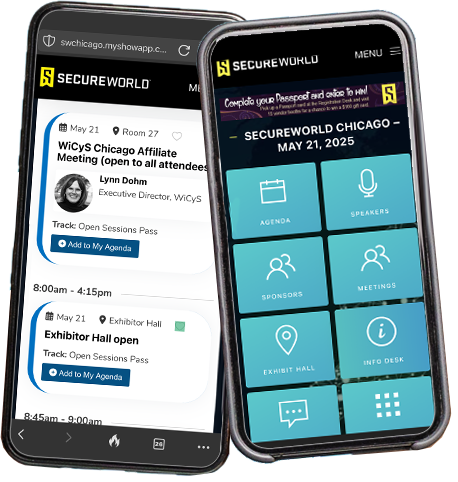
Easily navigate your conference experience and make the most of your day with a dedicated conference app.
- Streamline event check-in
- Discover relevant topics and speakers
- Find your way with interactive venue maps
- Connect with fellow attendees
- View speaker presentations (post-event)
- Download a certificate of attendance